A Journey Through Morocco In Ten Herbs- Number Two -Hibiscus

Hibiscus Tea is a popular beverage you will find offered throughout Morocco and delightful it is too having a uniquely bold flavour and a deep, rich crimson colour. This beautiful flowering shrub contributes to the colour and vibrancy of Morocco which happens to be one of the largest worldwide exporters of Hibiscus flowers. Hibiscus grows in the wild coastal and mountainous landscapes and is also widely cultivated in Morocco having significant economic importance as an easy and reliable crop to produce.
What Is Hibiscus?
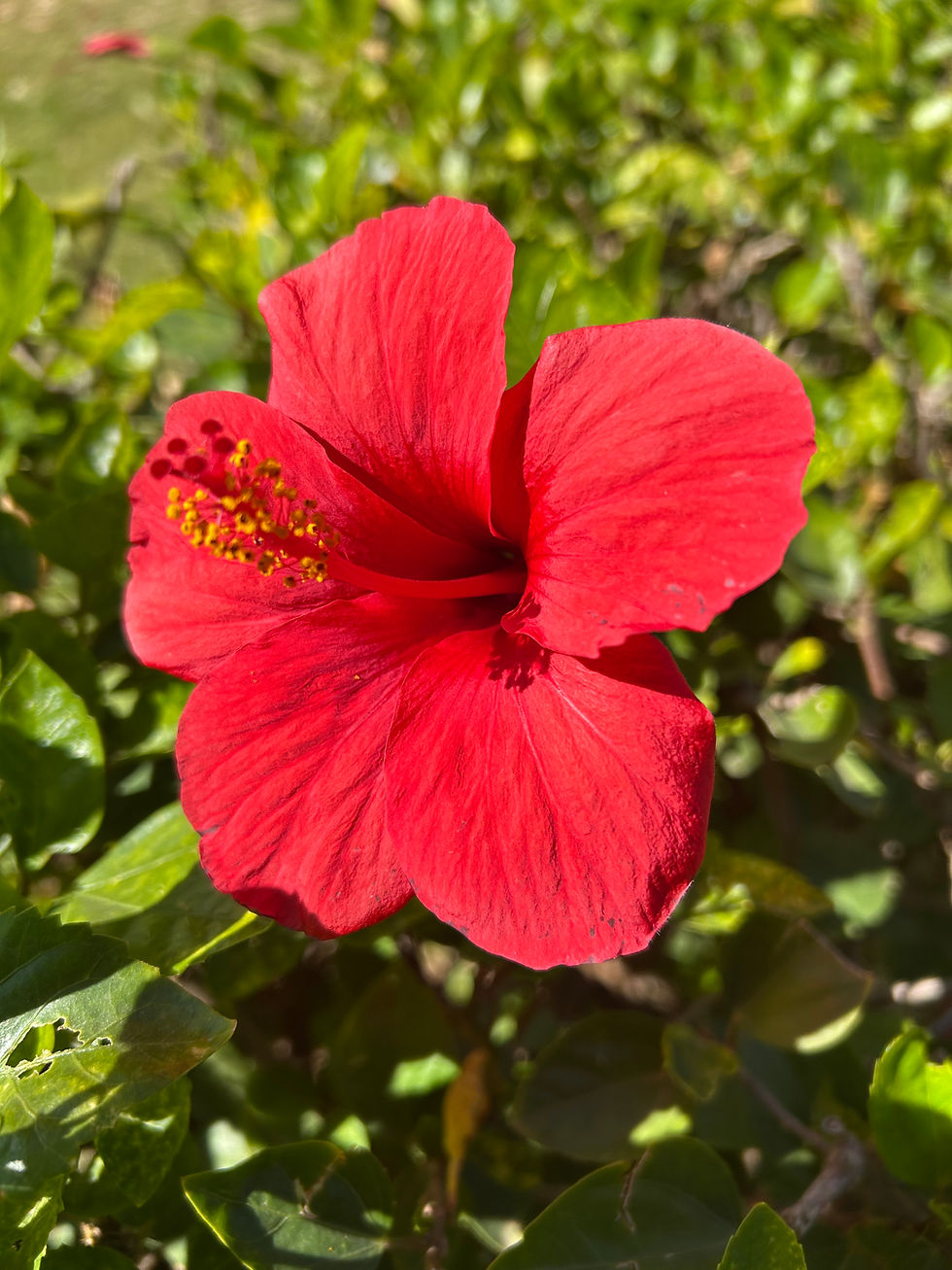
Hibiscus (also known as Roselle and Rose Mallow) are a genus of flowering shrubs in the Mallow (Malvaceae) family, some of which are hardier than others. Fragrance levels vary throughout the genus but generally they have large, colourful blooms and are showy. They were known to have been first cultivated in South Asia and Egypt, reaching Europe by the 12th century.
Hibiscus are used for food, cosmetic and medicine production as they contain high concentrations of phytochemicals and can produce incredible colour and depth of flavour.
Hibiscus In Morocco
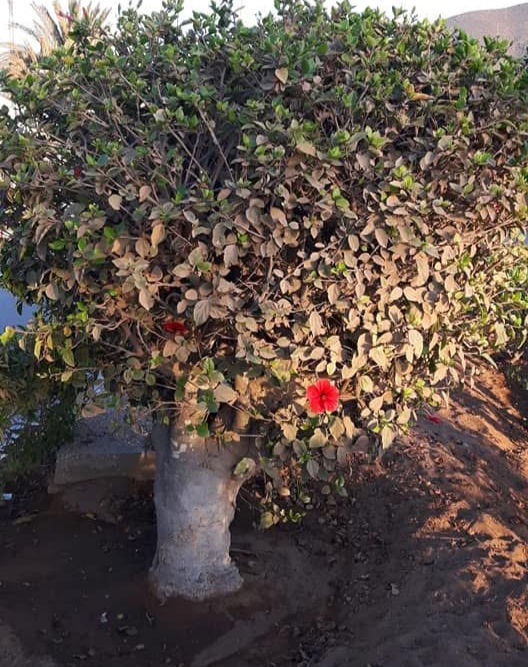
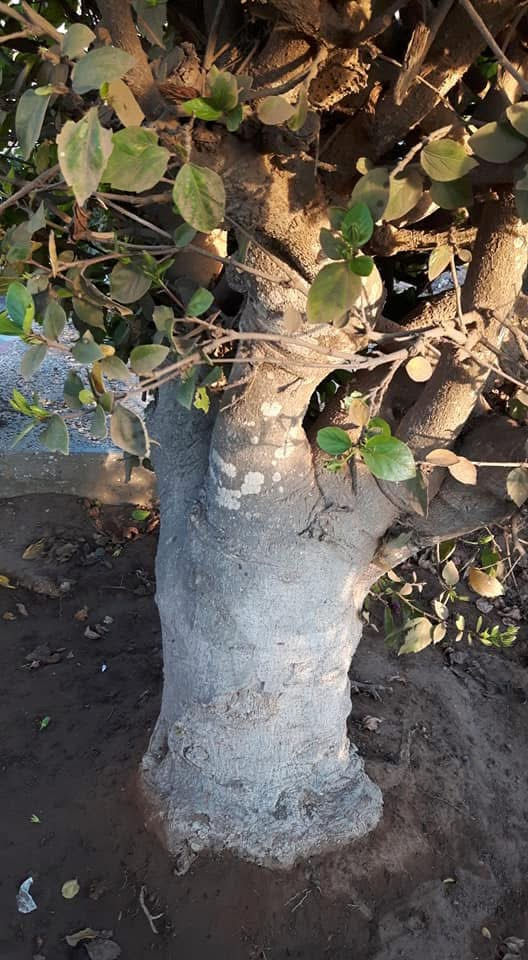
Several varieties of Hibsicus can be found growing in Morocco- around coastal areas such as Casablanca the tropical Hibiscus rosa-sinensis thrives. In mountainous regions the much hardier Hibiscus syriacus grows wild.
Two types of Hibiscus are truely native to Morocco and found growing in the wild- Hibiscus micranthus and Hibiscus trionum. The blooms on these wild varieties are smaller than the more tropical specimens planted ornamentally in city gardens and parks. Hibiscus are often planted to create structure as they form attractive hedges.
The Hibiscus used to make Hibiscus Tea is Hibiscus sabdariffa which produce dark crimson flowers that when infused share their rich colour.
Is Hibiscus Good For You?
Hibiscus is full of highly beneficial compounds and is widely consumed as a beverage that will help lower blood pressure and contribute toward maintaining a healthy weight. Hibiscus would be an excellent choice to lower inflammation and help prevent the development of metablic syndrome. Hibiscus has the following actions (Gonazalez et al, 2022)-
Anti-hypertensive
Anti-dyslipidemic
Hypoglycemic
Body fat mass reduction
Nephroprotective
Anti-anemic
Antioxidant
Anti-inflammatory
Will Hibiscus Help Me Lose Weight?
Drinking Hibiscus beverages could contribute to a weight loss programme, several studies have shown that Hibiscus has the potential to help those struggling to lose weight. One small clinical trial found Hibiscus demonstrated the potential to regulate metabolism and protect the liver. The control group in this trial reported reduced body weight, BMI, body fat and waist-to-hip ratio following a 12-week period of taking Hibiscus sabdariffa extract.
Health Benefits Of Hibiscus
Asides from supporting weight loss, Hibiscus has the following actions-
Antimicrobial
Antioxidant
Antifungal
Anti-depressant
Anti-anxiety
How Can I Take Hibiscus?
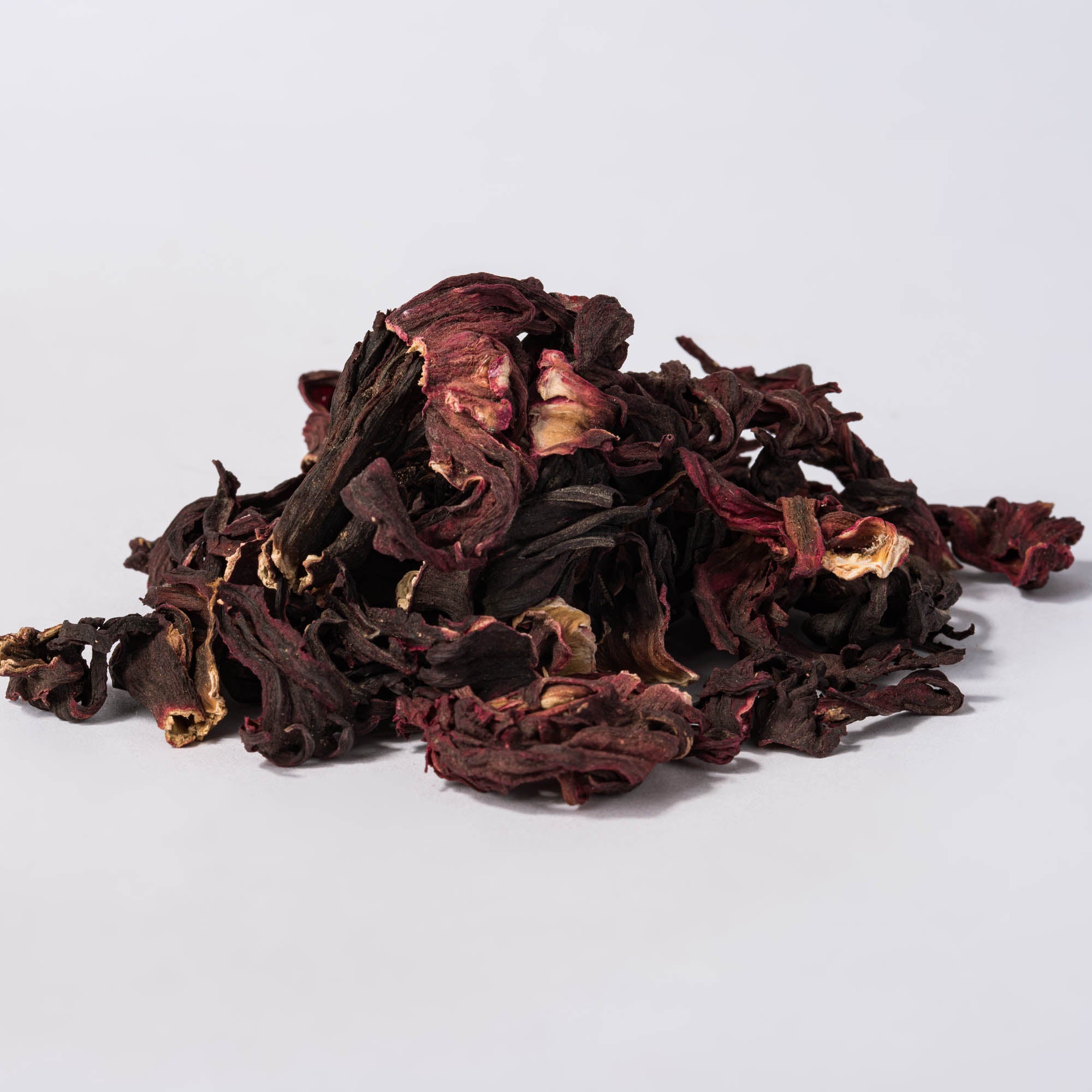
Hibiscus can be bought as dried flowers and made into delicious beverages including simple tea infusions to exotic summer cocktails. The flowers and calyxes can be added to salads or cooked in dishes.
Hibiscus Recipes
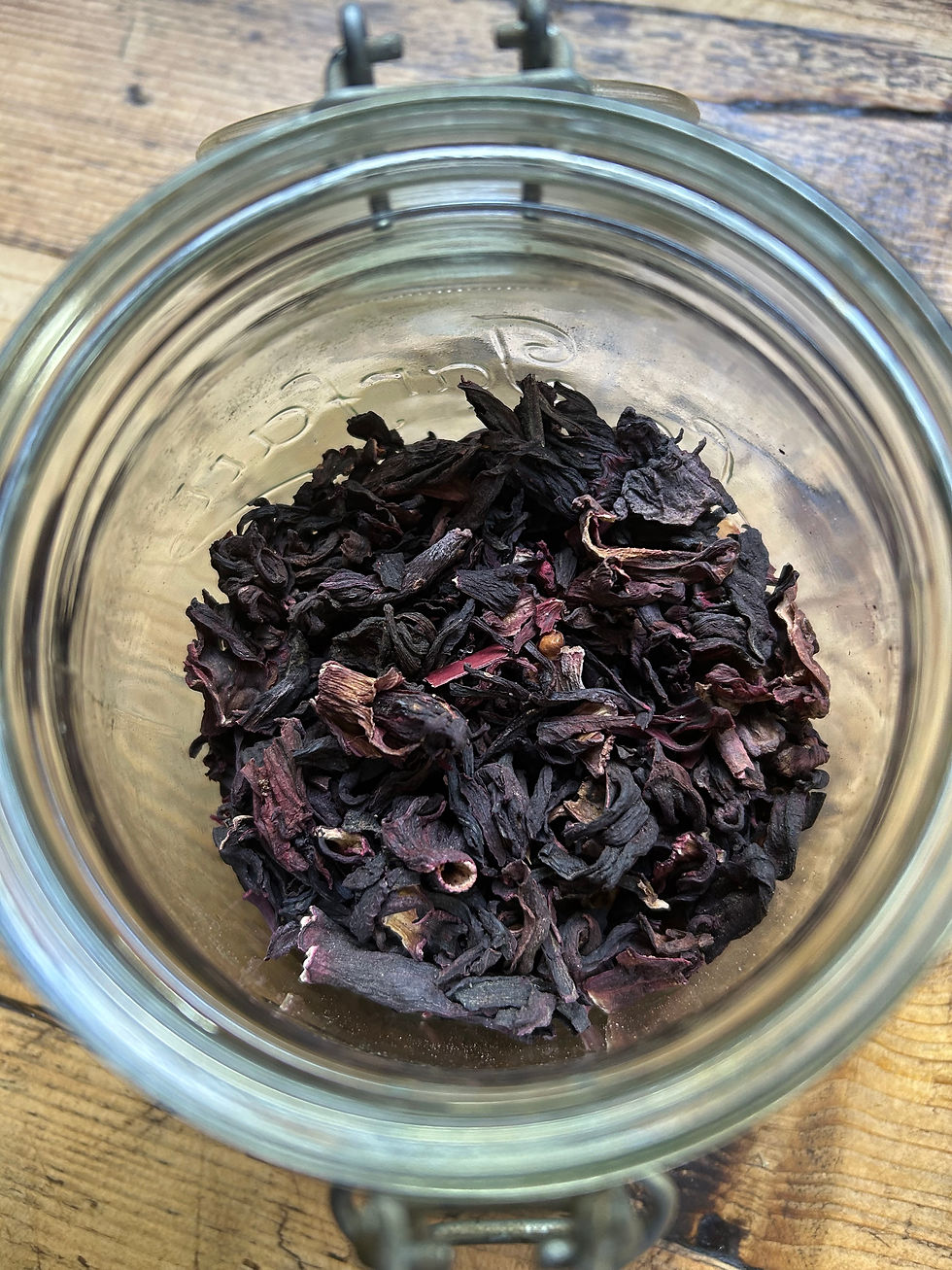
Lebanese Hibiscus Drink
1.5 cup of dried Hibiscus flowers
2 litre of water
1/2- 3/4 cup of sugar
1/4 cup of Orange Blossom water
Ice and chopped Mint
Orange/lemon slices
Boil the water and pour over the Hibiscus and sugar, leave to infuse for 30 mins
Strain the mix and place in a jug with Orange Blossom water, ice, mint and slices
Serve cool with ice
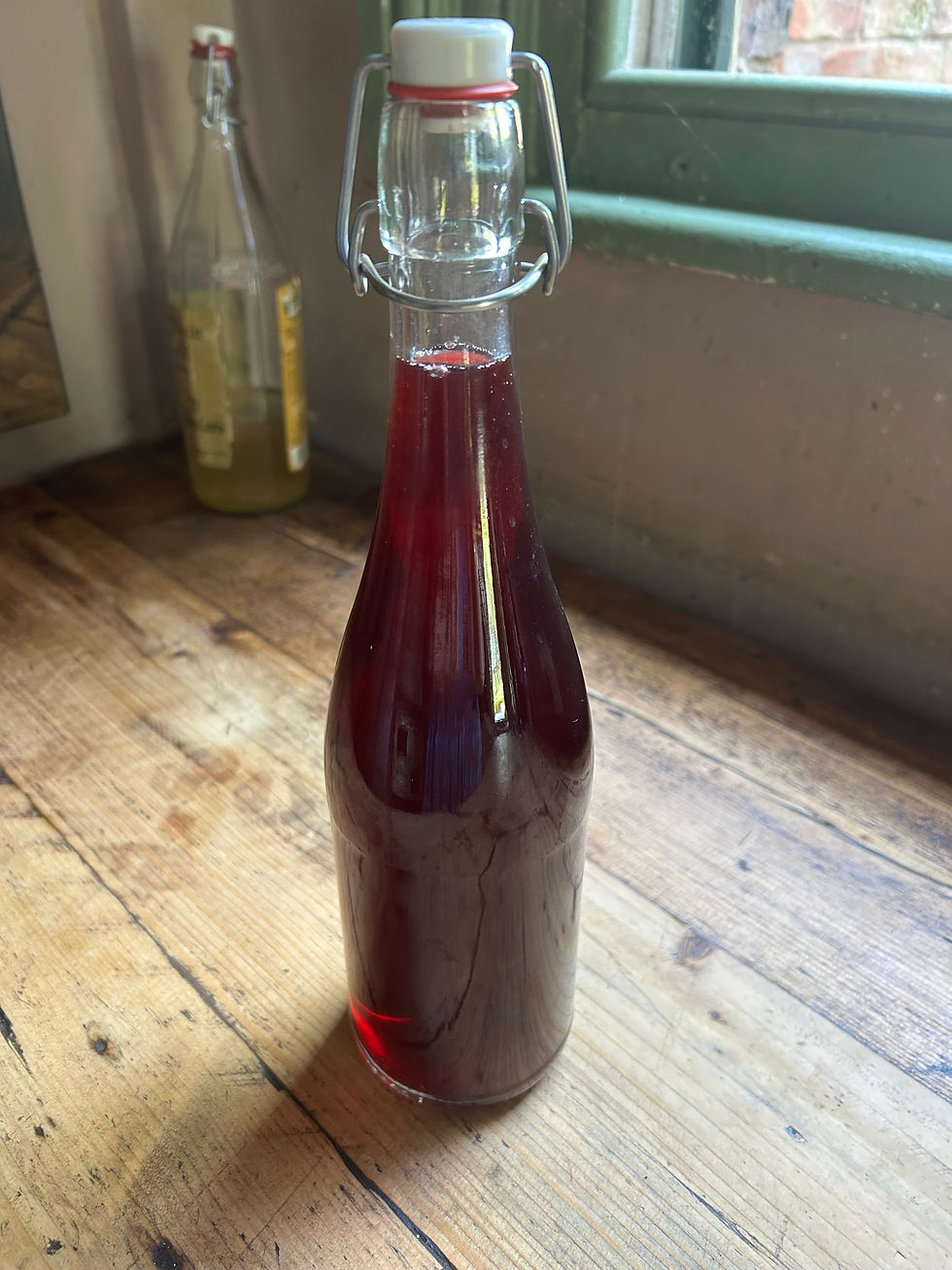
Using Hibiscus In Cosmetics- Nature's Botox?
Hibiscus is a popular cosmetic ingredient in Morocco and beyond and has earnt the name 'Nature's Botox' having gained a reputation as a skin revitaliser. This association spans the centuries all the way back to ancient Egypt when Cleopatra reputedly relied on Hibiscus as part of her daily, beauty ritual, crediting it with enhancing her renowned beauty.
Anti-aging
Hibisicus can inhibit the enzymes that break down elastin resulting in firmer skin with less noticable fine lines.
Moisturising
Hibiscus contains mucilage which deeply mositurises skin by locking moisture into the skin barrier.
Exfoliating
Due to containing AHAs (Alpha Hydroxy Acids) Hibiscus is an natural exfoliator that disssolves dead skin cells and reduces dark spots resulting in a fresher complexion.
Hair
Hibsicus deeply conditions hair and can soothe the scalp relieving itching.
Hibiscus In Moroccan Beauty
In Morocco Hibiscus is a very popular beauty ingredient and is combined with other natural products to create effective products.
Hibiscus is often combined with Moroccan Clay known as Rhassoul or Ghassoul and is used to create a face mask that will exfoilate and moisturise the skin. Other natural ingredients used in masks that will combine well with Hibiscus include Aloe vera gel, yoghurt and Rosewater.
For all-over skin benefits Hibiscus combines with Argan oil to deeply nourish skin and hair. For hair products Hibiscus is often mixed with Henna powder.
Hibisicus combines well with other Moroccan Herbs such as Rose and Saffron.
Hibiscus Cosmetic Recipes
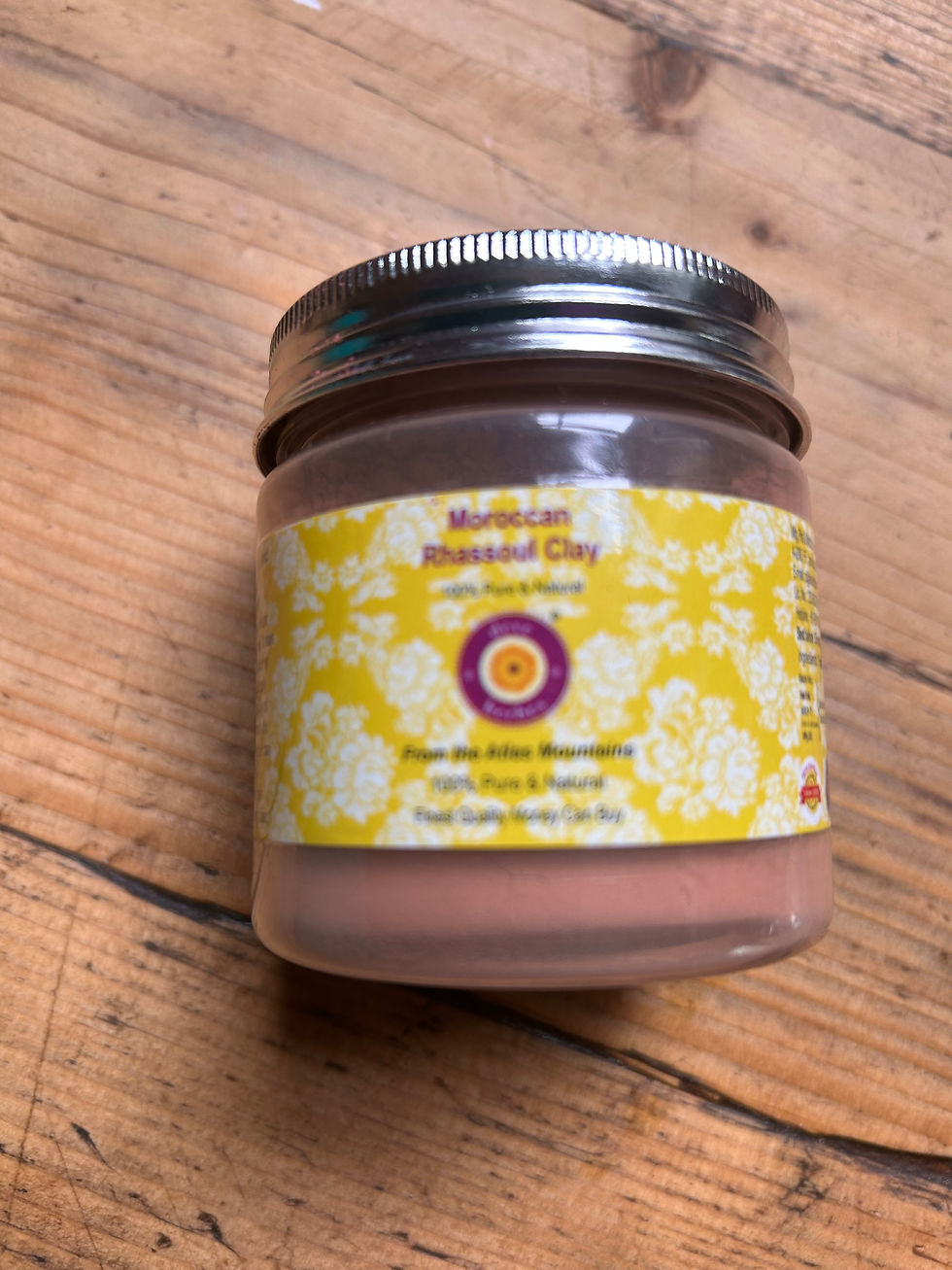
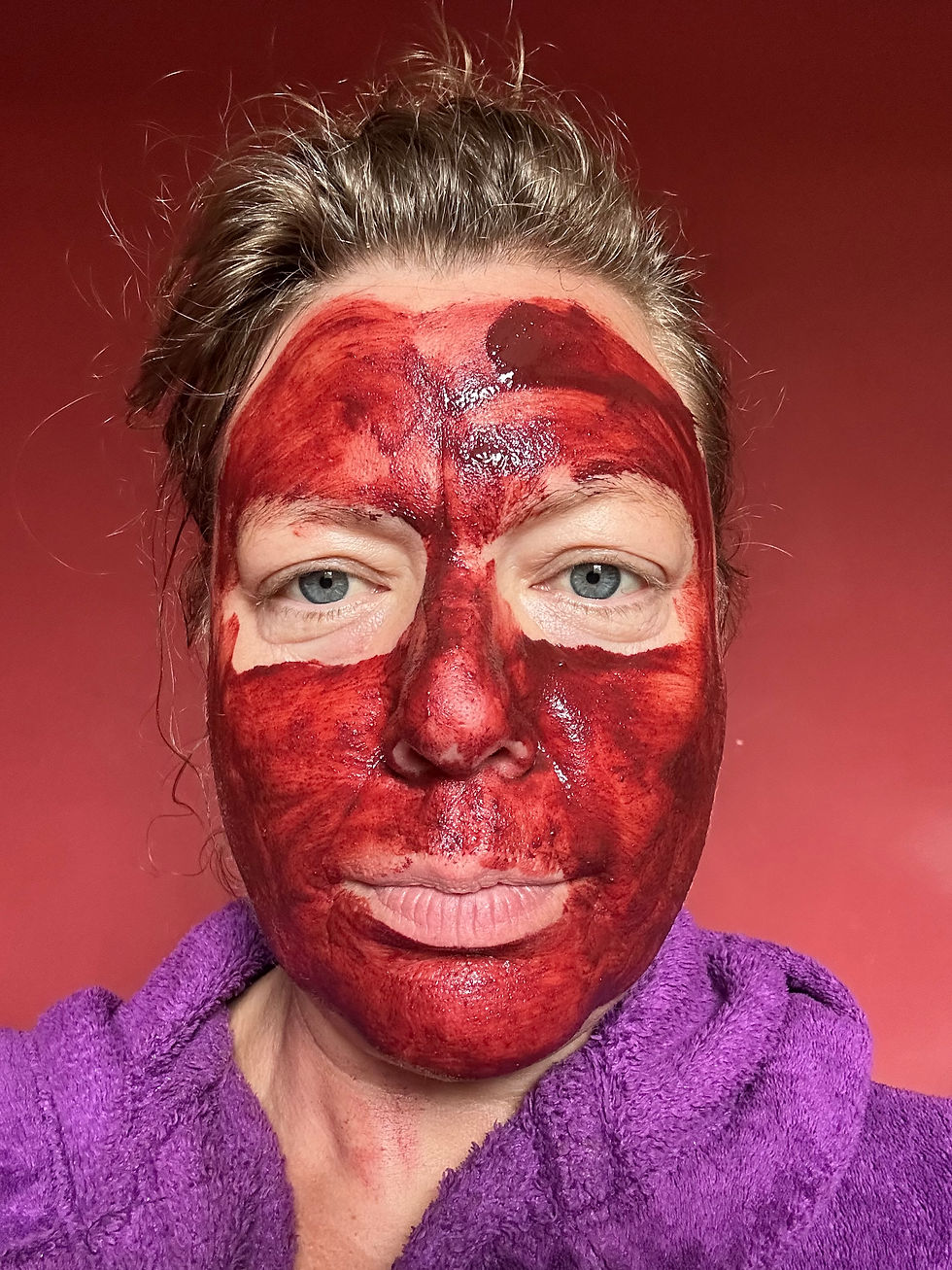
Hibiscus & Rhassoul Face Mask
1 desert spoon Rhassoul Clay
1 desert spoon Hibiscus powder
20 ml Orange Flower Water
Mix ingredients together and apply to face, leave for 20 mins then wash off
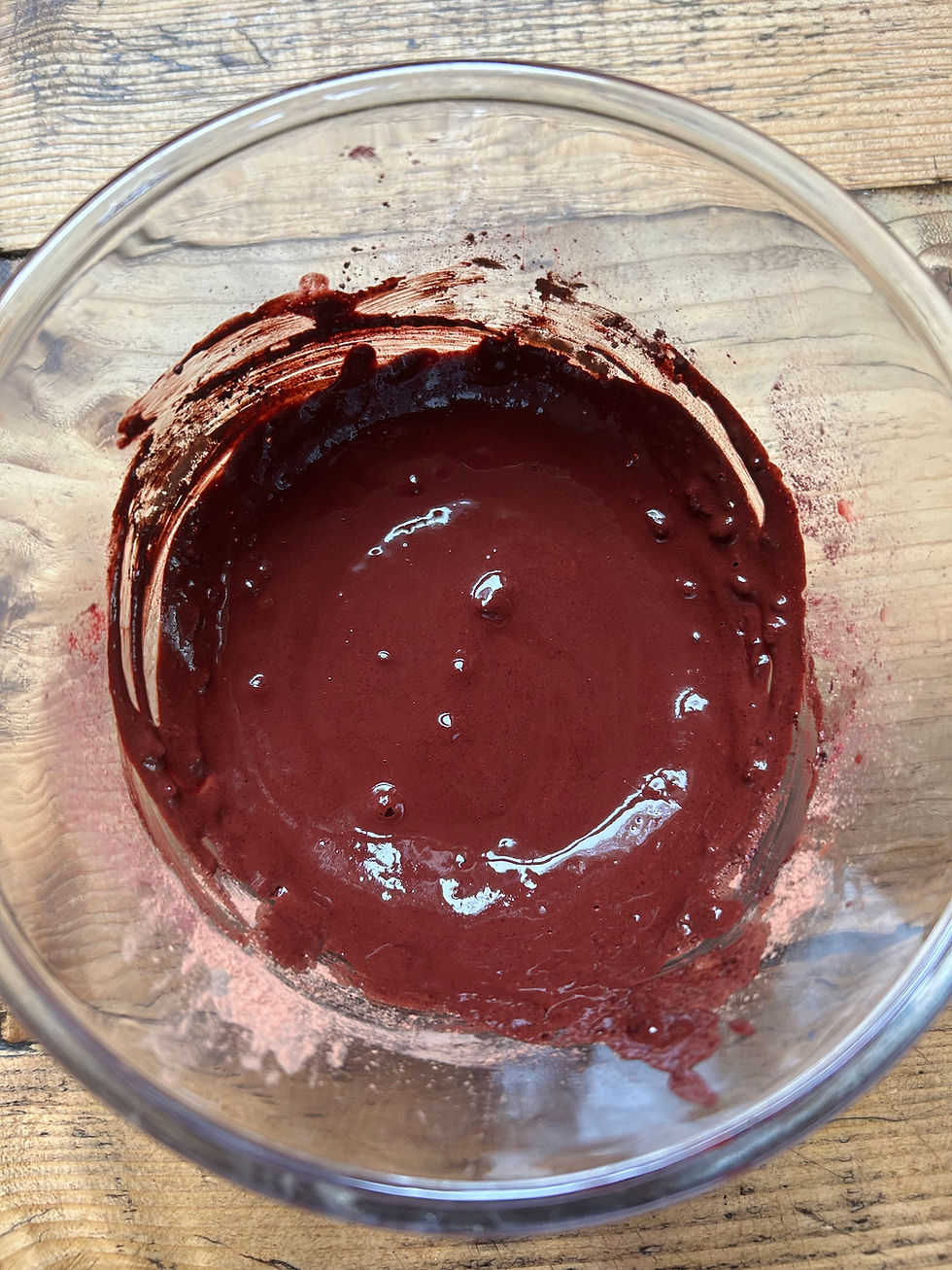
Hibiscus Face Scrub
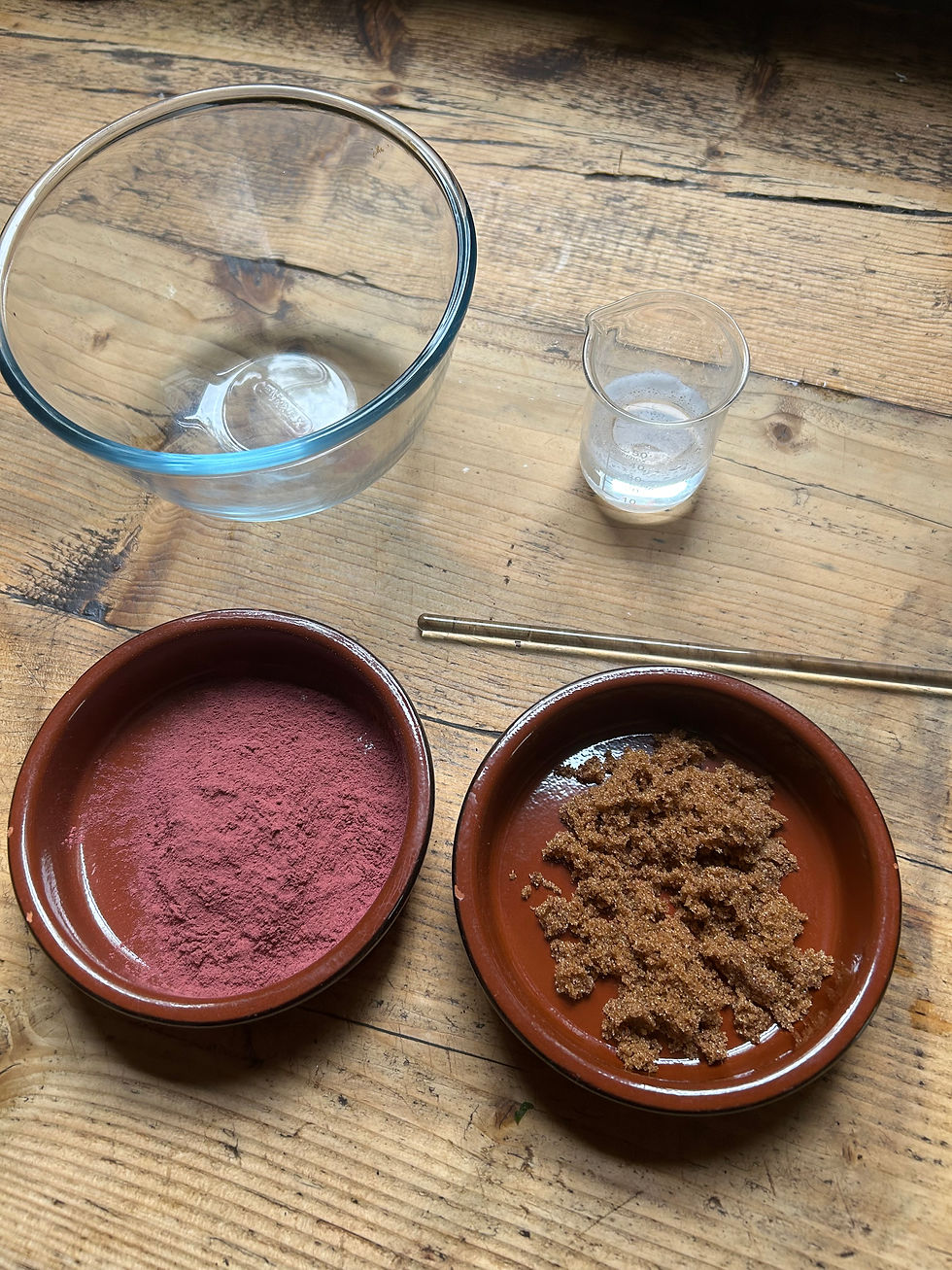
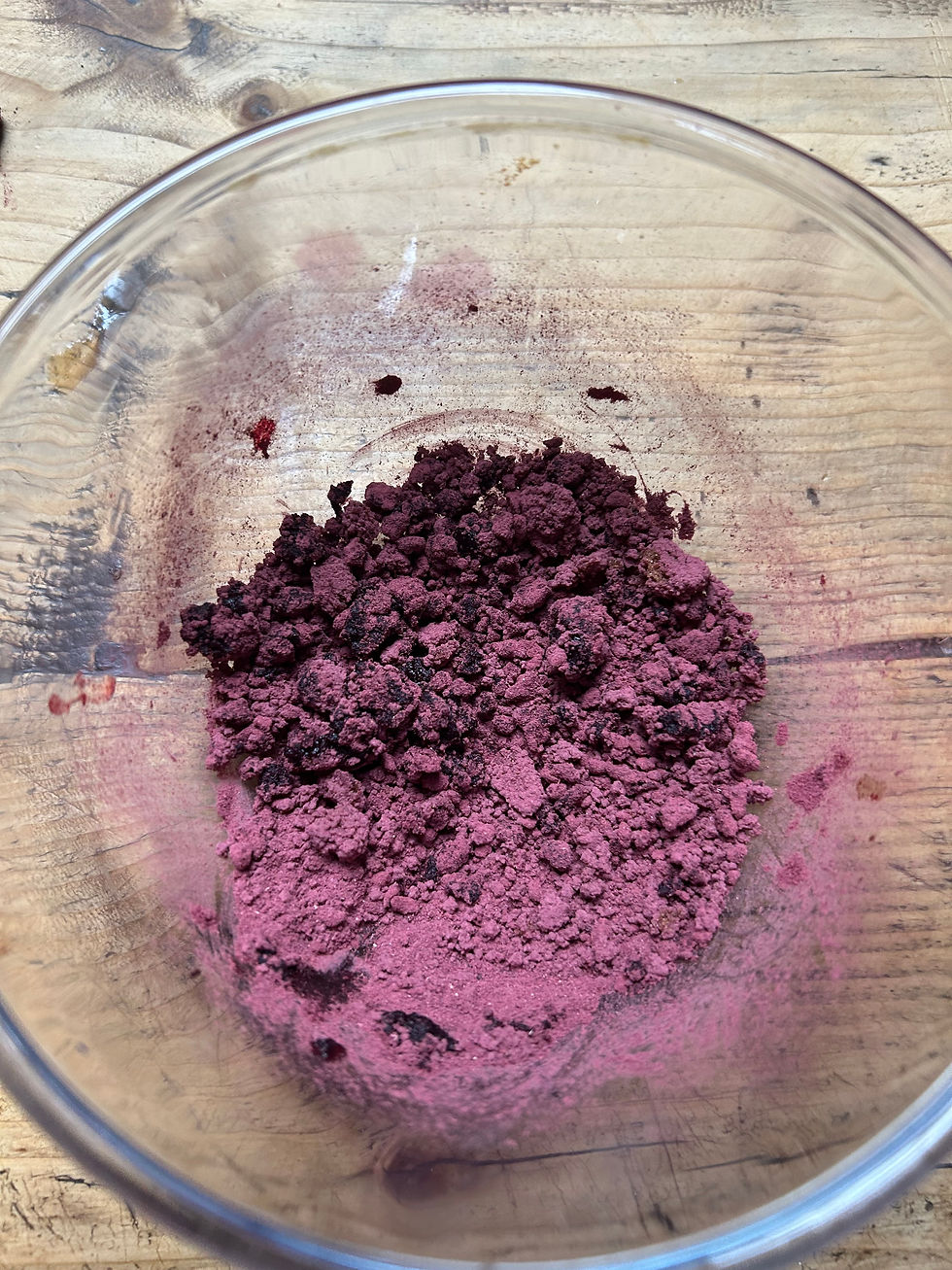
1 desertspoon Hibiscus powder
1 desertspoon Rapadura sugar
10 ml Flower water
Mix ingredients together, wet the face then apply in a circular motion to remove dead skin cells. Wash off
Where Can I See Hibiscus In Morocco
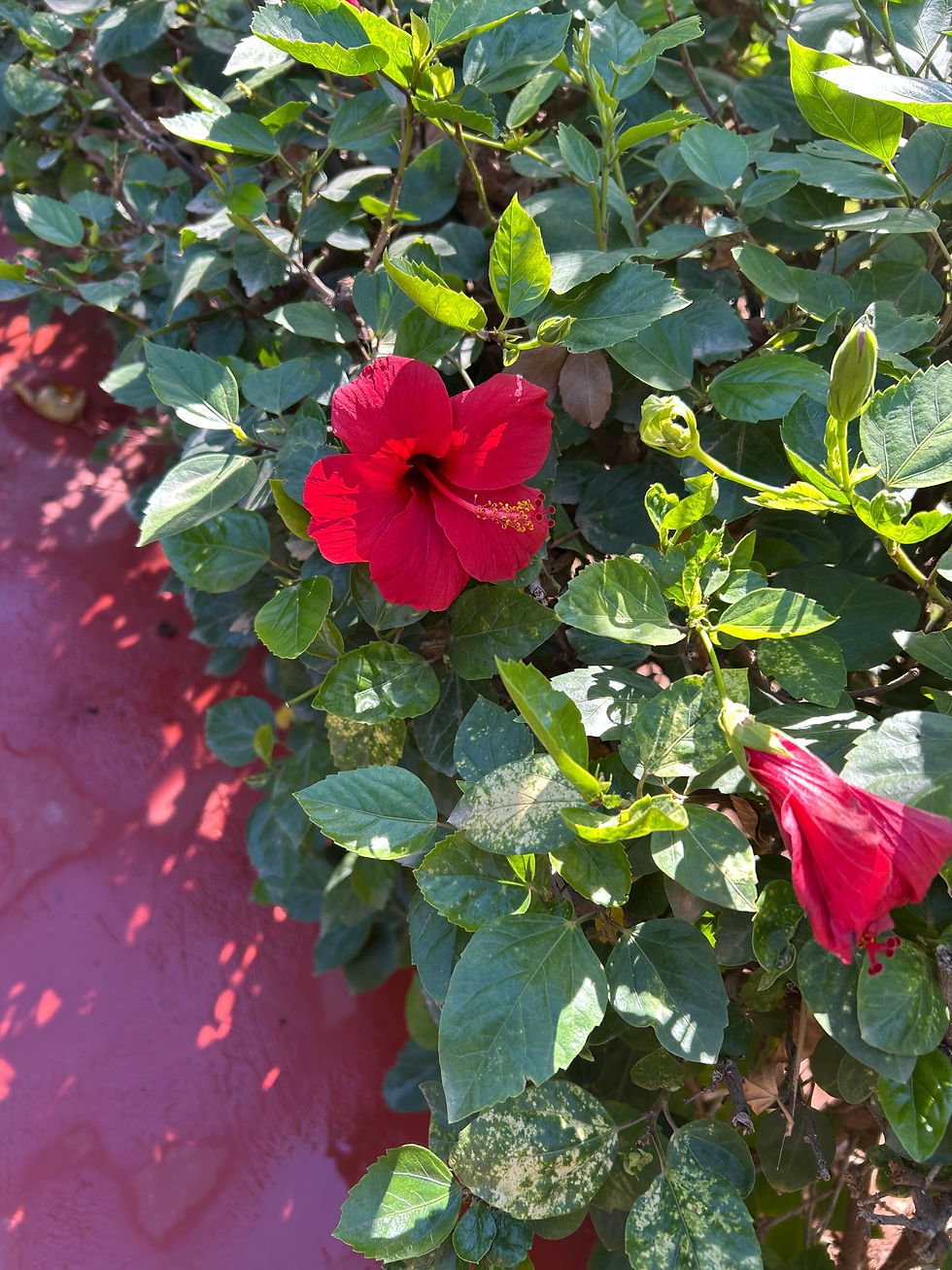
You will see the striking Hibiscus flower throughout Morocco, in gardens, parks and streets and you can take a trip to a botanical garden to see even more!
Donabo Gardens, Tangier have a dedicated Hibiscus garden you can visit with many wonderful specimens.
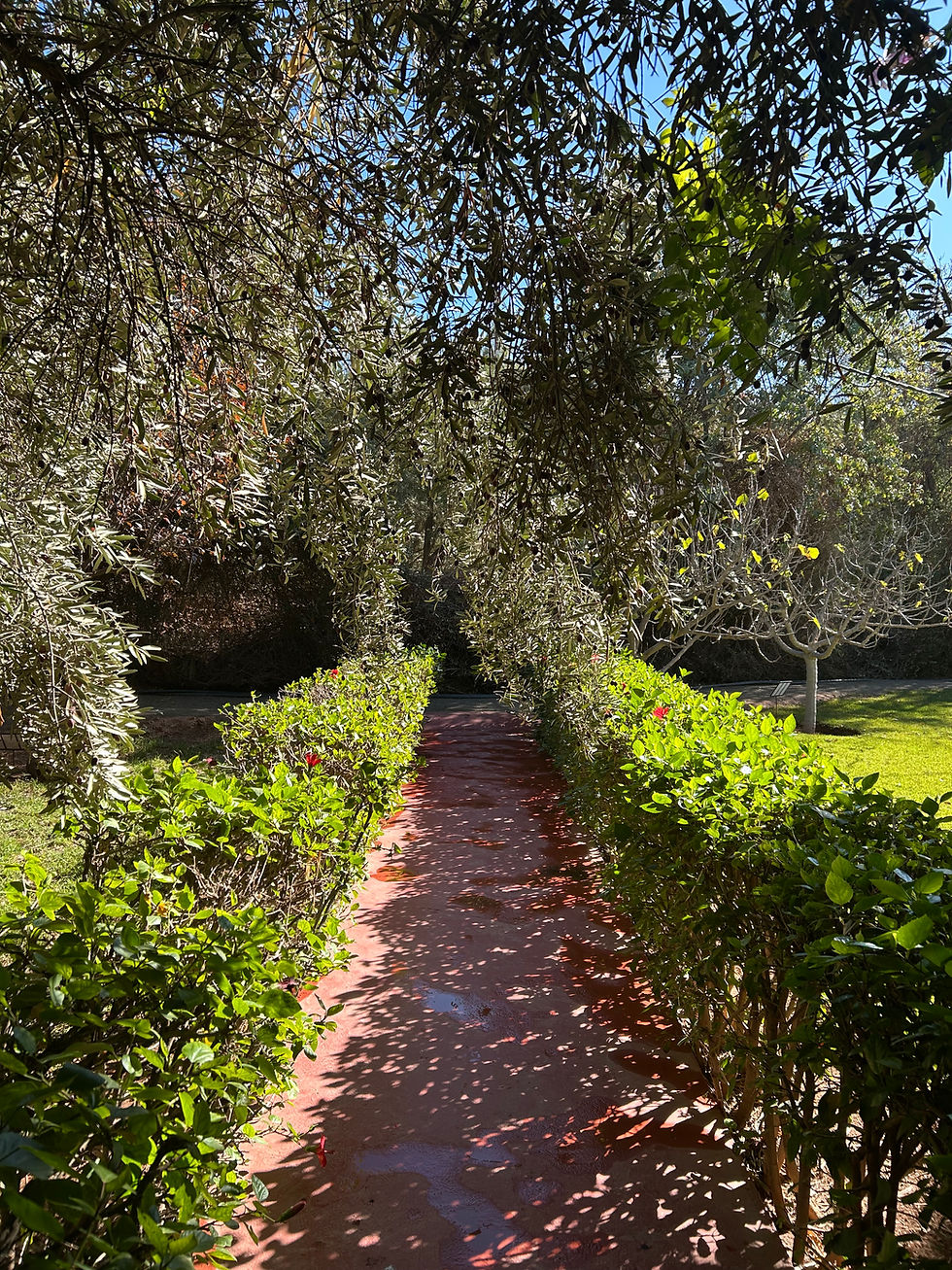
Jardin des Douars, Essaouira described as a 'botanical paradise' has gorgeous crimson Hibiscus flowering on the terraces. Le Paradis du Safran in the Ourika Valley not far from Marrakesh, has lovely Hibiscus hedging and is a beautiful place to visit with a stunning Atlas Mountain backdrop.
Recommended Hibiscus Products
Affiliate Links
This post may contain affiliate links, meaning I get a small commission if you decide to make a purchase through any links. This is at no extra cost to you.
Would You Like To Embark On A Journey Of Herbal Discovery In Morocco?
An Immersive Herbal Tour Of Morocco - A Nomadic Herbalist & Timeless Fez Collaboration
Next spring, Nomadic Herbalist in conjunction with Timesless Fez will be hosting a unique Herbal Immersion aimed at those seeking slow, meaningful travel experiences that take them far beyond the usual tourist routes to get a rare glimpse into Morocco's thriving herbal heritage.
'Root & Remedies' is a four- day guided exploration to discover the medicinal plants of the Middle Atlas Mountains. This is a rare insight into foraging practices which are seldom seen and an opportunity to learn about Morocco's native herbs. The tour traces this ancient process from root to remedies, from the collection of raw plant material through to the finished products sold in the souks such as medicines in Souk Attarine and cosmetics in the Henna Souk.
Take part in the transformative processes of distillation and soap-making during hands-on workshops and begin with a guided, meditative sensory introduction to some key herbs.
Herbal tourism is a growing niche in sustainable, nature-based transformative travel which keeps traditions alive, preserving herbal heritage and supporting rural economies to continue foraging herbs.
It is important to give value to the wild landscapes of Morocco and preserve what grows there, alongisde this it is equally important to preserve the knowledge and wisdom of the foragers and those who transform raw herbal material into useful products. These are the people who speak to the plants and translate to the people, the alchemists and weavers of magic.


Comments