Foraged Gorse Skincare


What Is Gorse?
Gorse (Ulex europaeus) is like sunshine after rain, it brings golden hues and cheer in the depths of winter when there is little colour to be found. This common wild shrub belonging to the pea family (Fabiaceae) , lights up in the sunlight like a golden beacon, it provides shelter and food to wildlife, its very tough but also can be delicate and is affected by frosts. It's thorny and impenetrable yet has a delicate fragrance reminscent of tropical shores.
What most people probably do not know about the unbiquitous gorse is that appears in some very expensive skincare products as a key anti-aging ingredient. Read on to learn how to make your own foraged gorse skincare.
What Is Gorse Used For?
Historically Gorse has been used as a dye, to feed livestock and as a fuel. Gorse has little documentation as a medicinal remedy although it has an entry in 'A Modern Herbal' (Grieve, 1931) where it has record of use for jaundice, scarlett fever, lax bowels and snake-bites.
Gorse is used as a Bach Flower Remedy as a nervine tonic for those who have given up belief and hope.
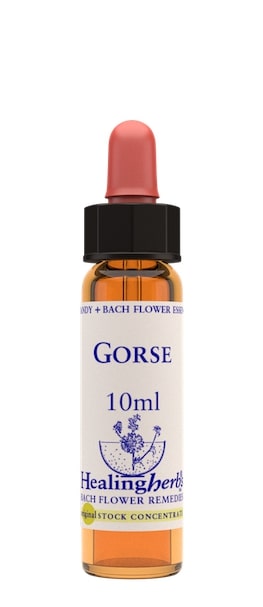
Gorse extract is used in luxury skincare formulations by brands including Clarins and Guerlain.
How To Forage Gorse
Gorse should be pretty easy to find and identify, it is very common and abundant in the areas it likes to grow in. Choose your plant wisely, be aware of contaminants like car fumes and dog wee. Look for a healthy specimen and you will need gloves as Gorse is tough and very prickly to handle. Snip of the younger top stems or just pick flowers depending on which parts you want. Forage in dry conditions.
You could use the fresh plant material or dry it as described below.
How To Prepare Foraged Gorse For Skincare Use

How To Make Gorse Extract For Cosmetics
In the skincare industry Gorse extracts are created by either solvent or co2 extraction, for the home formulator either oil infusion, glycerite infusion or an infused vinegar are the main options.
If using fresh flowers you need to be aware of the additional water content in your formulation and increased risk of degradation.
Dry the flower either by hanging the stems in a warm, dry place, slowly dryng in a low oven or use a herb dehydrator.
Gorse-infused Oil Recipe
Gorse extract can be infused in oil by either a hot or cold method depending on how quickly you want to use your oil. I tend to favour the hot method when using fresh plant material.
Cold-infused Gorse Oil
Pack a jar 3/4 full with gorse flowers and cover with your carrier oil of choice. Shake well and place in a sunny spot for two weeks, shaking daily. Strain through muslin and bottle in a sterile bottle.
Hot-infused Gorse Oil
Place the gorse flowers and carrier oil in the top section of a double-boiler and gently heat for 2-3 hours. Strain through muslin and bottle.
Gorse Glycerite
Fill a jar 3/4 full with dry gorse flowers and cover with a mix 70% vegetable glycerine and 30% distilled water. Shake daily and infuse for 4- 6 weeks before straining and bottling in sterile bottle.
Gorse-infused Vinegar
Simply pack your gorse flowers (fresh or dried) into a bottle or jar and pour over to cover apple cider vinegar and leave to infuse for 2-3 weeks, strain then bottle.
Skin Benefits Of Gorse
Anti-ageing
Firming and tightening
Skin conditioning
Soothing
Anti-inflammatory
Clarins use hand-picked, organic gorse extract in their 'Super Restorative' range and according to their site description "[Gorse] activates tension strength in fibroblasts". Fibroblasts are specialised cells that maintain the structural framework of body tissue.
They state that gorse extract addresses the signs of ageing and skin slackening which arises from the drop in oestrogen occcuring during menopause.
Gorse has a fragrance that is slightly tropical, with hints of pineapple, coconut and vanilla.
Gorse Flower Cosmetic Recipe

Gorse Flower Balm
56g Gorse-infused oil
7g Beeswax
2g Cocoa Butter
1-2 drops VItamin E oil
Using a double- boiler or bain-marie method, heat the oil and then add the beeswax and butter, mixing in until melted. Remove from heat and when cooling add the vitamin e. Pour into containers whilst still liquid.
This makes a soft balm that can be applied to the face and neck to keep skin soft and supple.
Recommended Gorse Skincare Products
My recommendations for skin products are based on my understanding of botanical ingredients or cosmeceuticals. This comes from many years as a medical herbalist and cosmetic formulator.
I only recommend quality products that I know contain pure and natural extracts that have research backing their effectiveness and that I would use myself.
I cannot be held responsible for any ill-effects resulting in use of products- either bought or based on my own formulation advice.
It is always recommended to conduct a skin test if tryng a new product either bought or homemade/DIY.
Affiliate Links
My blogs contain affiliate links regarding relevant products that I recommned following extensive research. If you decide to purchase through one of my links I will recieve a small precentage of the sale that in no way increases the cost to you. Please support me in my work, thank you!
The Book
If you enjoy my posts and are interested in cosmetic formulation than I am excited to annouce that my new book is imminent. It is all about making the most of foraged ingredients in skincare formulations and guides the reader in foraging safely and preparing botanical extracts to use in different types of cosmetics.
Watch this space and subscribe for any news.
Join Me....
An Immersive Herbal Tour Of Morocco
A Nomadic Herbalist & Timeless Fez Collaboration
Next spring, Nomadic Herbalist in conjunction with Timeless Fez will be hosting a unique Herbal Immersion aimed at those seeking slow, meaningful travel experiences that take them far beyond the usual tourist routes to get a glimpse into Morocco's thriving herbal heritage.
Roots & Remedies' is a four-day guided exploration to discover the medicinal plants of the Middle Atlas Mountains. This offers a rare insight into indigenous foraging practices seldom seen and an opportunity to learn about the native herbs of Morocco. The tour traces this ancient process from roots to remedies, from the collection of raw plant material through to the finished products sold in the souks such as Soul Attarine and cosmetics in the Henna Souk.
Take part in the transformative process of distillation and soap-making during hands-on workshops and begin with a guided, meditative sensory introduction to some key herbs.
Herbal Tourism is a growing niche in sustainable, nature-based transformative travel which keeps traditions alive, preserving Herbal Heritage and supporting rurual economies to continue foraging herbs.
It is important to give value to the wild landscapes of Morocco and preserve what grows there, alongside this it is equally important to preserve the knowledge and wisdom of the foragers and those who transform raw herbal material into usable products. These are the people who speak to the plants and translate to the people, the alchemists and weavers of magic.


Comments