What Can You Forage In January?


With christmas well out the way and a new year begun, my thoughts always turn to spring, the days are slowly lengthening, bulbs emerging and I love the feeling of renewal. The cycle begins, I track the months and seasons by observing the changes in my garden and the wild spaces during my nomadic missions. I feel as if looking out from atop a hill after a difficult climb, all is tantalisingly laid out below, stretching out as far as the eye can see.
Slim Pickings To Forage In January
January is a month that makes us dig deep in many ways, it is not the ideal month in which to forage as there are not many plants available, many are in a dormant state waiting for the lighter days. If the weather turns colder then frost and snow make foraging much more challenging, green leaves are frosted, berries soften and digging roots from frozen ground is hard work indeed.
Rosehips And Hawthorn Berries
The rosehips and hawthorn berries have now softened in the frost and are beginning to break down, releasing their seeds. These can still be used, check out my previous blog
Gorse

Lookng across a bare and washed out countryside, there is one shrub resplendently glistening in the winter sunshine, European Gorse (Ulex europaeus). Gorse has been producing flowers since late autumn and will do so with increasing vibrancy until the springtime. This thorny, evergreen is often found in open, dry country where the sun can illuminate it. Gorse is an incredible tough, but not infallible member of the pea family (Fabiaceae), it can survive drought, cold and fire, however it can be frosted and does burn very well! Gorse is a very important shrub for wildlife and is useful for food and habitat, some rare species rely on it.
Historically, Gorse has been used as a dye, livestock feed and fuel, it burns really well and traditionally people would run their ovens on it. Gorse has limited use medicinally and not much has been documented about this, it does make up one of the Bach Flower Remedies where it is used as a remedy for hope in those who lack optimism.
Gorse is mainly used these days for culinary purposes and as an edible flower for garnish or to make beverages with, including wine and mead. It makes a striking Gorse Flower Syrup for use in cocktails.

Gorse Flower Syrup
500g Gorse Flowers
1 litre water
500g sugar
2 limes
1 orange
Bring the water to the boil in a pan with the sugar, then remove from heat
Grate the zest of lime and orange and add to the pan with their juice.
Add the flowers making sure they are submerged
Gently reheat then strain through muslim cloth
Bottle in clean sterile bottles
Refrigerate
Use in summer cocktails such as Gorse Flower Kir Royale which is one part syrup to two parts champagne.

Nomadic Foragers

Are you a nomadic forgager too? If you feel the urge to wander in the countryside looking for wild offerings to take back to your den and make food, medicine and cosmetics then you are most certainly in 'my gang'. There are many benefits to getting out and foraging and wildcrafting whatever the weather. Here are a few -
Free wild food, medicine and cosmetics
Exercise and fresh air
Deeper connection with natural cycles and the seasons
Wildlife encounters
Engaging with creative processes
Create unprocessed, natural food, medicine and cosmetics
Great gut health benefits of wild food and medicine
This month I am launching the Nomadic foragers, this is a 12 month subscription plan to include-
Monthly blogs with exclusive content, wildcrafting tips and recipes for wild food, medicine and cosmetics
Foraging guides
All newsletters
Discounts on books and services
There is a one-off payment required of £4.99
How To Use Pine Needles
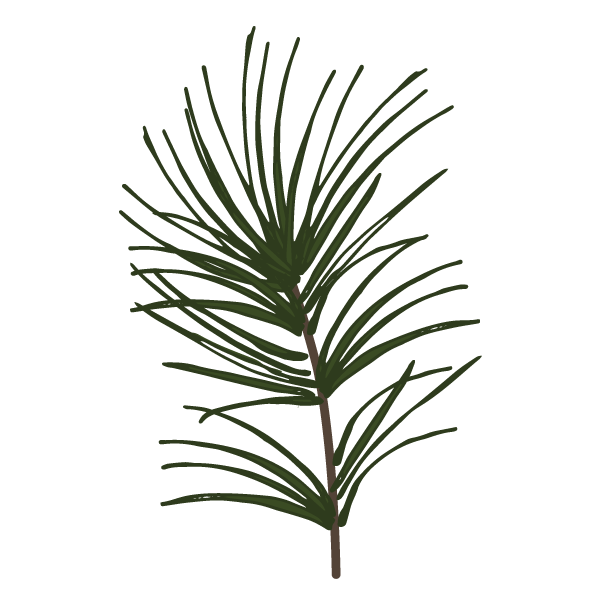
Pine needles are a useful foragable at this time of year as they are rich in essential oils, antioxidants, vitamins and minerals. Scots Pine (Pinus sylvestris) is my go to tree for harvesting the needles, other species can be used but make sure (as with all wild plants) that your ID is spot on, see Modern Herbal for a discussion on Pine species.
The needles of Scots Pine are available all year and have antiseptic properties internally and externally. At this time of year they may help with respiratory infections if drunk as Pine Needle tea, simply pour hot water over the crushed needles to release their decongesting aromatic compounds.
A syrup can be made from the pine needles to help ease coughs, check out Pine Needle Syrup Recipe. here amongst others from The Herbal Academy.
Roots
Roots can be harvested during the winter months as the conditions allow. Dandelion and burdock can be dug up and then cleaned up for drying or used in their fresh state. Clean and chop the roots and dry on a low heat in the oven. Roast dandelion root for use as a coffee substitute.
Roots need to be decocted for 10-20 minutes to release their compounds, then can be drunk as a tea.
You can also make tinctures, glycerites and oils from these roots.
Green Leaves
Despite the wintry outlook, there are green leaves around that can be foraged on a decent day. The ever present nettle can be foraged now although early spring is the best time. Nettles can be eaten at anytime for their high nutritional and medicinal value. Cleavers are available and chickweed is very abundant.

These fresh green leaves are nutritious and have detoxifying properties that make them an excellent choice for New Year Detox smoothies or cleansing teas, both are lymphatic agents and encourage elmination of excess fluids.
Chickweed is an amazing skin herb that is cooling and soothing, often this herb is used to treat irritated and itchy skin that is red and inflamed. Fresh or dried chickweed can infused in oil either by cold or warm infusion and then used in skincare preparations.
Looking ahead now to my next postings, February brings us tantalising close to spring, Three-cornered Leek and Wild Garlic are beginning to emerge, Violets and much, much more...


Comments