Exploring The Rituals Of Moroccan Beauty-

As a herbalist and cosmetic formulator, I am obsessed with natural beauty ingredients and the products people make. One of my favourite things to do when visiting other countries is to sample skincare products and discover new exotic ingredients. I love to indulge in indigenous beauty practices and visit producers who grow and create plant-based products.
Morocco has remained true to her roots and kept ancient beauty and self-care practices alive in the modern age, preferring to use what can be naturally sourced from the landscape. These heritage practices ensure sensual rituals using beautiful products rich in herbs, oils, clays and essential oils, these often transcend the individual experience bringing families and friends together to share the experience.
What Is A Moroccan Hammam?

Hammams are public steam/bath-houses akin to Turkish Baths that locals use, rooted in Roman and Islamic traditions. Moroccans regularly visit hammams, originally this was a necessity in the abscence of bathing facilities in the home, in the modern day this tradition endures as a means to deeply purify and detoxify the body. Benefits include boosting circulation, enhancing immunity and general physical and mental wellbeing.
Hammans are segregated for men and women and usually in opposite sides of the same building. They consist of tiled, heated rooms varying from warm to hot which have steam moving throughout. The warmest room encourages sweating and dilation of the pores to release toxins.
Black soap is used to cleanse and a kessa glove helps remove impurities and boost the circulation. Other products used include clays, botanical powders and oils.
Visiting a hammam is very much a shared social experience, these are communal spaces where friends and family will gather.
Natural Moroccan Beauty Products
Moroccan beauty products are often crafted from local, natural plant sources including native medicinal herbs, plant oils, essential oils, flower waters, shells and clays. Often the products are rustic, completely natural and handmade.
Distillation is an ancient art practised throughout Morocco in traditional copper stills to extract precious essential oils and create flower waters to use cosmetically. Read about this transformative process here The Enchanting World of Herbal Distillation
Herbs
Herbs are key Moroccan beauty ingredients, Morocco is naturally blessed with native medicinal plants due to its location, abundance of natural habitat and climatic conditions. The vast mountainous regions of the Atlas range and Rif mountains support a large variety of plant life including many species unique to these regions.
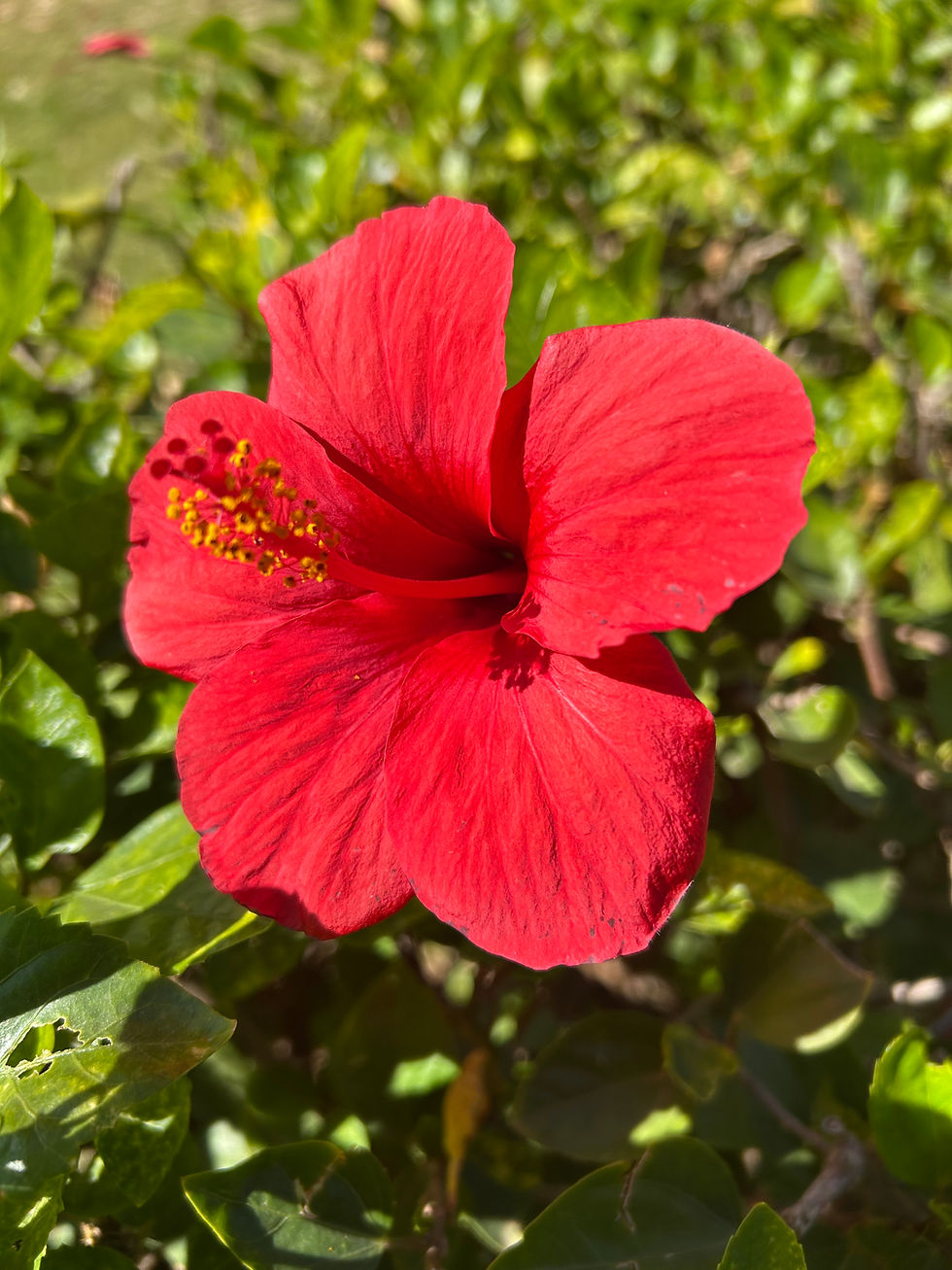
A longstanding ethnobotanical relationship endures between Moroccan people and native plants; knowledge and skills around sourcing and preparing plants is passed down through the generations, respect for elder knowledge and a desire to honour tradition keep the legacy alive and herbs at the forefront of Moroccan beauty rituals. See my previous blog series - A Herbal Tour Of Morocco- Ten Key Herbs
Oils
Plant-based oils are central to most of the beauty rituals practised in Morocco and are used for nourishing hair and skin. Some of the more popular oils are Sweet Almond, Olive, Prickly Pear and Argan.

Other Beauty Products
Essential Oils
Flower Waters
Soap
Clays
Henna
Botanical powders

My Top Picks Of Moroccan Beauty Products
This is a wonderful, nutrient-dense cosmetic clay found exclusively in the Atlas Mountains of Morocco. It has been used for centuries in Moroccan skin and haircare. The beauty of this clay as I found when making a Hibiscus Face Mask, see A Journey Through Morocco In Ten Herbs- Number Two -Hibiscus , is that it creates a silky, mud-like mask that feels really good on the skin without being too drying. Mix the clay with floral waters or herbal infusions to hydrate.
This is a blend of herbs, clays and botanical powders used to exfoliate and to create masks. The aim is to detoxify, stimulate the circulation, remove dead skin cells and brighten the skin.
Nila is a stunning powder, an incredible vivid blue colour derived from Indigo Indigofera tinctoria. This is used in a similar way to the Tbrima as a mask which will brighten the skin.
The Moroccanoil brand began following the founder's experience with an Argan oil hair treatment in Morocco which impressed her so much she created Argan Oil products like the one above.
Follow me for futher blogs including recipes and videos to guide you in creating your own Moroccan-inspired beauty products.
Check out my Herbal Travel Directory for Morocco to see growers, shops etc. The Jardin Bioaromatique is where they grow herbs for a popular Moroccan skincare brand Nectarome.
An Immersive Herbal Tour Of Morocco - A Nomadic Herbalist & Timeless Fez Collaboration
Next spring, Nomadic Herbalist in conjunction with Timesless Fez will be hosting a unique Herbal Immersion aimed at those seeking slow, meaningful travel experiences that take them far beyond the usual tourist routes to get a rare glimpse into Morocco's thriving herbal heritage.
'Root & Remedies' is a four- day guided exploration to discover the medicinal plants of the Middle Atlas Mountains. This is a rare insight into foraging practices which are seldom seen and an opportunity to learn about Morocco's native herbs. The tour traces this ancient process from root to remedies, from the collection of raw plant material through to the finished products sold in the souks such as medicines in Souk Attarine and cosmetics in the Henna Souk.
Take part in the transformative processes of distillation and soap-making during hands-on workshops and begin with a guided, meditative sensory introduction to some key herbs.
Herbal tourism is a growing niche in sustainable, nature-based transformative travel which keeps traditions alive, preserving herbal heritage and supporting rural economies to continue foraging herbs.
It is important to give value to the wild landscapes of Morocco and preserve what grows there, alongisde this it is equally important to preserve the knowledge and wisdom of the foragers and those who transform raw herbal material into useful products. These are the people who speak to the plants and translate to the people, the alchemists and weavers of magic.
Affiliate Links
This post may contain affiliate links, meaning I get a small commission if you decide to make a purchase through any links. This is at no extra cost to you.


Comments