An Essential Guide to the Aromatherapy Oils Of Morocco- Atlas Cedarwood

Updated: Jul 23
Welcome to my latest blog series continuing to explore the Herbal Heritage of Morocco, I have been focusing on Moroccan Beauty Rituals and the ingredients that are used to create their wonderful products. Here we are starting with the native essential oils of Morocco and their uses, kicking off with Atlas Cedarwood which is a very useful oil to have to hand in the summer months as it makes a very effective insect repellant. More glamorously, Atlas Cedarwood is widely exported for it's value in the perfumery industry.
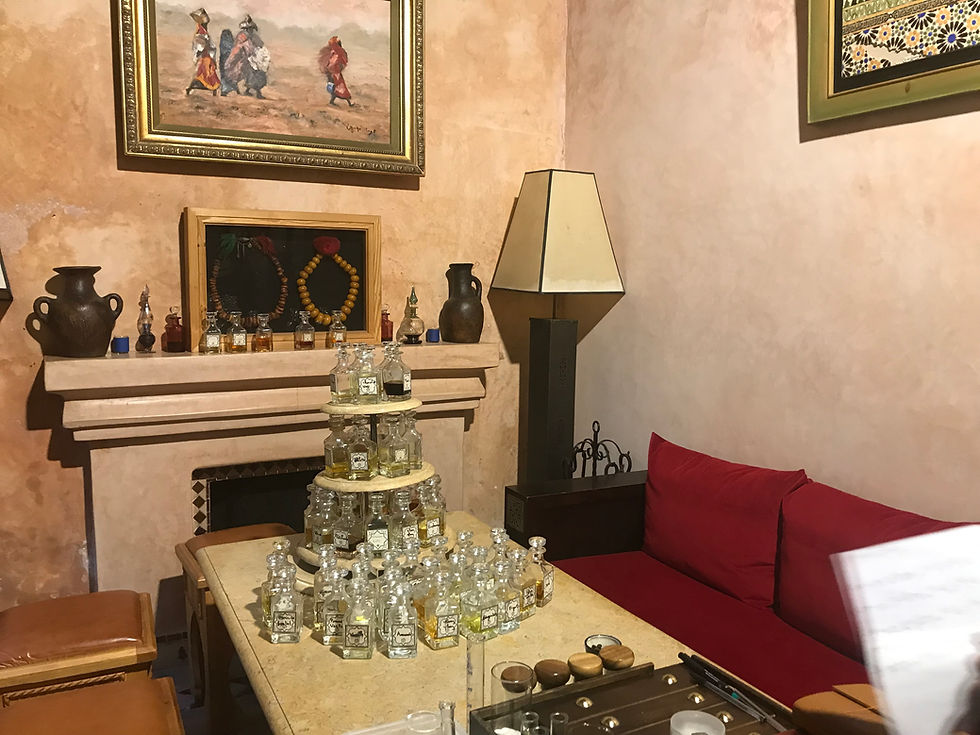
Atlas Cedarwood (Cedrus altantica)
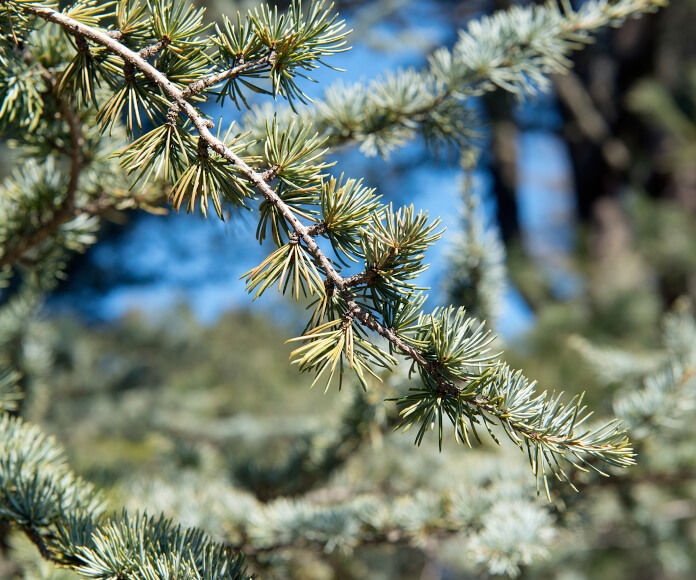
The Atlas Cedar is an evergreen member of the Pine family (Pinaceae) and endemic native of the Atlas and Rif Mountains of Morocco. It has aromatic wood and is a striking tree with green or silvery blue needles. It is an endangered species in the wild due to illegal logging, overgrazing, wildfires and climate change.
The essential oil is obtained through steam-distillation and Morocco produces between 15 and 35 metric tons every year. Morocco is the largest source of 'true' Cedarwood essential oil and they export it for aromatherapy, cosmetics and perfume making.
Uses and Benefits of Atlas Cedarwood Essential Oil
The aromatic character of Atlas Cedarwood Essential Oil is warm, woody and balsamic with sweet and spicy undertones. In perfumery Cedarwood is a base note.
Cedarwood is considered a 'grounding' oil and is used in skin and hair care. Benefits of Cedarwood include-
Balances sebum production- useful for oily skin and acne
Soothes scalp- addresses dry, flaky skin, good for dandruff and thinning hair
Relaxing- soothes nervous tension and aids sleep, sedative
Anti-depressant
Aphrodisiac
Respiratory aid- decongests and breaks down mucus in coughs and catarrh
Insect repellant- repels insects, particularly clothes moths
Conditions Atlas Cedarwood Is Recommended For
Acne
Eczema
Psoriasis
Oily Skin
Hair loss
Dandruff
Arthritis
Rheumatism
Respiratory disorders
Cystitus
PMS
Stress
Atlas Cedarwood Essential Oil Recipes
Cedarwood Perfume
Cedarwood Essential Oil 8 drops
Vetiver Essential Oil 4 drops
Clary Sage Essential Oil 4 drops
Rose Essential Oil 1 drop
Petitgrain Essential Oil 3 drops
Dilute in 10 mls carrier oil
Cedarwood Hair Conditioner
Cedarwood Essential Oil 8 drops
Rosemary Essential Oil 6 drops
Bay Essential Oil 8 drops
Geranium Essential Oil 3 drops
10 ml jojoba oil
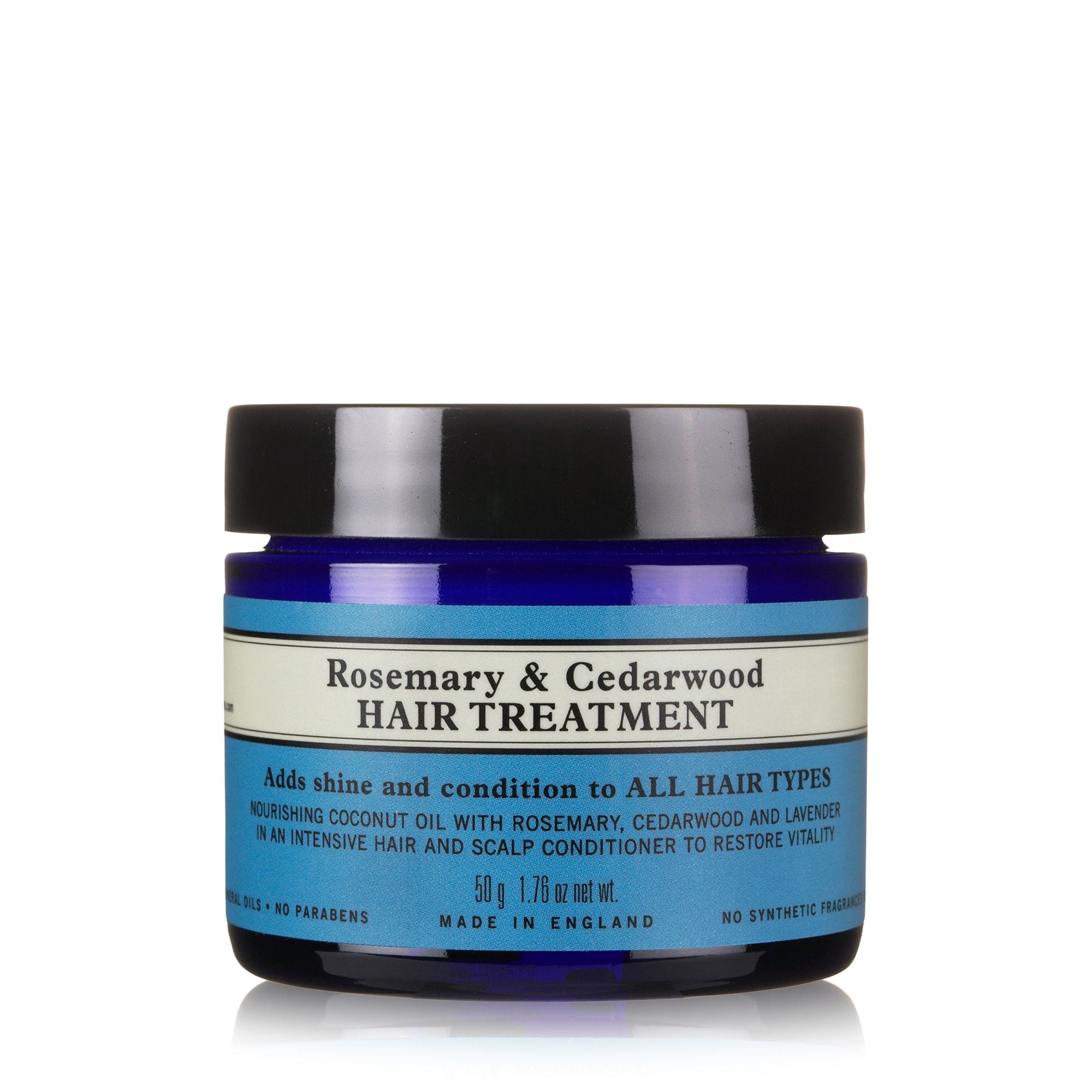
Mix well together and and massage into hair and scalp, leave as long as possible, preferably overnight then wash and shampoo out
Cedarwood Insect Repellant (to put in diffuser/burner)
Cedarwood Essential Oil 10 drops
Lavender Essential Oil 10 drops
Peppermint Essential Oil 5 drops
Cedarwood Clothes Moth Repellant
15 Cedarwood Balls
4 drops Cedarwood Essential Oil
4 drops Cinnamon Essential Oil
3 drops Clove Essential Oil
Dash of Carrier oil
In a bowl mix the essential oils with the carrier
Roll the Cedarwood balls in the mix until covered
Leave to soak for several hours
Make sure they are fully dry then place in drawers, cupboards or anywhere moths may go
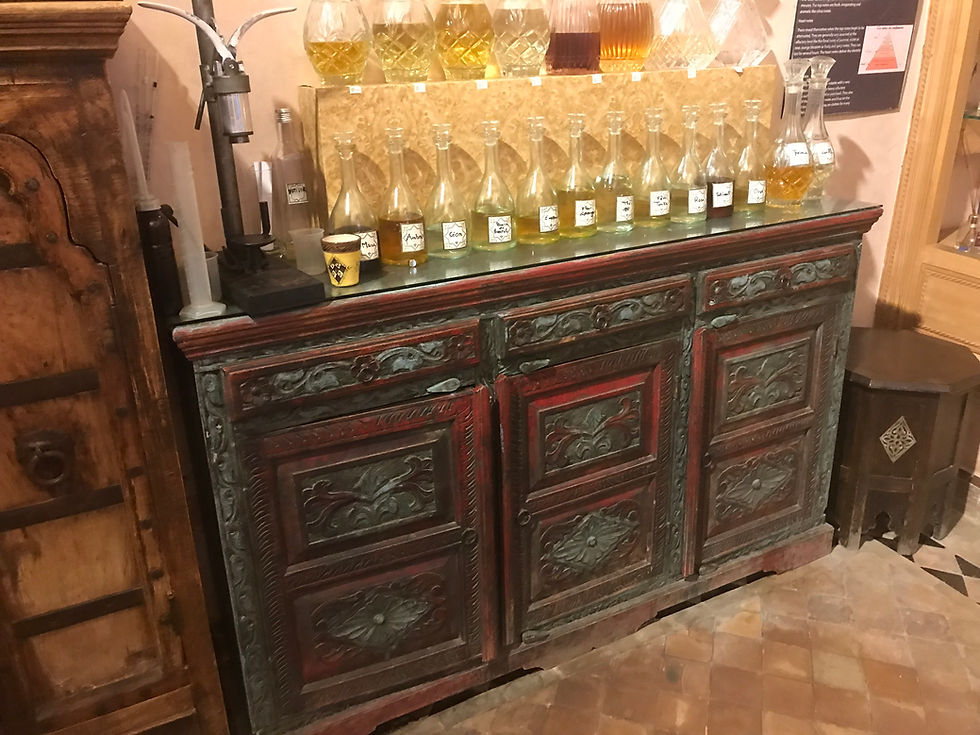
If you are interested in exotic locations and their Herbal Heritage check my Herbal Travel Directory. If you are inspired to explore Morocco and learn more about their essential oils, I can highly recommend the Musee du Parfum in Marrakech
Home Hammam Ritual
Follow this series of posts as I will be including a Home Hammam Ritual with products you can make to create a Moroccan-inspired, sensual and indulgent self-care treat.
An Immersive Herbal Tour Of Morocco - A Nomadic Herbalist & TimelessFez Collaboration
Next spring, Nomadic Herbalist in conjunction with Timeless Fez will be hosting a unique Herbal Immersion aimed at those seeking slow, meaningful travel experiences that take them far beyond the usual tourist routes to get a rare glimpse into Morocco's thriving herbal heritage.
'Root & Remedies' is a four- day guided exploration to discover the medicinal plants of the Middle Atlas Mountains. This is a rare insight into foraging practices which are seldom seen and an opportunity to learn about Morocco's native herbs. The tour traces this ancient process from root to remedies, from the collection of raw plant material through to the finished products sold in the souks such as medicines in Souk Attarine and cosmetics in the Henna Souk.
Take part in the transformative processes of distillation and soap-making during hands-on workshops and begin with a guided, meditative sensory introduction to some key herbs.
Herbal tourism is a growing niche in sustainable, nature-based transformative travel which keeps traditions alive, preserving herbal heritage and supporting rural economies to continue foraging herbs.
It is important to give value to the wild landscapes of Morocco and preserve what grows there, alongisde this it is equally important to preserve the knowledge and wisdom of the foragers and those who transform raw herbal material into useful products. These are the people who speak to the plants and translate to the people, the alchemists and weavers of magic.
Affiliate Links
This post may contain affiliate links, meaning I get a small commission if you decide to make a purchase through any links. This is at no extra cost to you.


Comments