An Essential Guide To The Aromatherapy Oils Of Morocco- Neroli, Petitgrain & Bitter Orange


The Bitter Orange Tree (Citrus aurantium) aka Seville Orange, is a familiar sight across Morocco, often used to line streets and in courtyards where it provides fragrance and shade. This cultivated evergreen is found throughout the world and produces small oranges that vary from sweet to sour tasting, these are used to make marmalade and other orange-tasting delights from Duck a l'orange to Triple sec. The Bitter Orange tree is highly-valued and utilised in several ways including essential oil production where it excels, a total of three oils are extracted from different parts. See my previous post for the more on the Bitter Orange Tree and its value in herbal medicine.
How Are The Essential Oils Extracted From The Bitter Orange Tree?
Distillation Of Bitter Orange Essential Oils
Traditional distillation of essential oils is hugely prevalent in Morocco, it is carried out by women-led co-operatives and households and is a celebrated cultural activity with annual festivals to honour this valuable and enduring herbal heritage. The Zahria'La Zahria de Marrakech' festival in Marrakech is an annual event celebrating the harvest of the Orange Blossoms in spring, it combines communal distillation throughout the city including the main square with music and poetry. Herbs are packed into the copper vessel and water heated below them to cause the steam to flow through the plant material capturing the volatile oils. Below is a video taken on a recent trip to Fez, Morocco where I witnessed traditional distillation of rosewater, read my post here
If you would like to experience traditional distillation practices for yourself then we have a couple of places left on our Roots & Remedies tour next spring which includes a visit to a woman-led rosewater distillery.
Neroli Essntial Oil is distilled from the handpicked blossoms of the Bitter Orange tree, Petitgrain Essential Oil is produced from the distillation of the young leaves and green twigs.
Other Methods
Cold-pressing & Absolutes
Cold-pressing is the mechanical extraction of oils from the rinds of citrus fruits, this method does not involve any heat thus preserving the fresh, vibrancy and scent of the oil.

Absolutes of Petitgrain and Orange Blossom are extracted using solvents which capture heavier, deeper plant compounds than steam distillation, these are used in perfumery and cosmetics. The aroma profile of absolutes is much closer to the original plant material.
Which Essential Oils Come From The Bitter Orange Tree?
Bitter Orange Essential Oil

Bitter Orange Fruit This essential oil is either cold-pressed or distilled from the orange peel and has a tart, zesty aroma as you might expect. It is classed as a top note in perfumery.
What Are The Benefits Of Bitter Orange Essential Oil?
Calming
Anti-anxiety
Anti-depressant
Mood -lifting
Anti-inflammatory
Promotes sleep
Skin balancing
Detoxifying
Anti-microbial
Muscle relaxant
What Can I Use Bitter Orange Essential Oil For?
Use in a diffuser for a refreshing, cleansing scent. Use in skincare formulations for oily, acne-prone skin to decongest the skin and to brighten the complexion.
Petitgrain Essential Oil & Petitgrain Absolute
Petitgrain is extracted from the young leaves and branches of the Bitter Orange Tree by distillation or solvent extraction. The name comes from the french petit grain meaning small, unripe oranges.
The scent is fresh and zesty with floral undertones and a woody-herbaceous edge.
What Are The Benefits Of Petitgrain Essential Oil?
Calming
Stress relief
Antimicrobial
Astringent
Sebum balancing
Uplifting
Energising
What Can I Use Petitgrain Essential Oil For?
Use in a diffuser for its lovely fragrance and calming, uplifing effects. Blend into skincare formulations for oily, acne-prone skin. Also, Petitgrain will work well in massage formulations for fatigue and muscular tension.
Neroli Essential Oil

The scale of Neroli Essential Oil production in Morocco is significant as along with Tunisia, the combined output of Neroil essential oil is 1,500 kg yearly accounting for 90% of the world's supply. The high cost of pure Neroli oil is due to the labourous nature of handpicking the blosoms of which 1000 kg are needed to produce 1 kg of Neroil oil.
What Are The Benefits Of Neroli Essential Oil?
Calms the nervous system reducing stress and anxiety
Gently sedates, improving sleep
Stimulates cell generation helping to fade scars and stretch marks
Balances oily and acne-prone skin
Antimicrobial and antibacterial
Antioxidant
Skin rejuvenating for mature skin
What Can I Use Neroli Essential Oil For?
Neroli has a gorgeous fragrance that combines well with other essential oils including woody oils like sandalwood and rosewood and floral oils such as jasmine, rose and geranium-blend to diffuse or with a carrier at the appropriate ratios for bathing.
This is a lovely oil for massage blends and for cosmetic formulations, it has superb properties for skin, suitable for all types but I often use it for mature skin.
Neroli is an important perfumery oil and features in many high- end perfumes where it is valued for its floral fragrance with a rich, sweet character with strong notes of citrus and honey.
Orange Blossom Absolute
What Are The Benefits Of Orange Blossom Absolute Essential Oil?
Calming and balancing
Stress relieving
Improves skin texture
Calms skin irritation
Reduces skin sensitivity
Balances skin
What Can I Use Orange Blossom Absolute For?
Remember to always check ratios and dilute essential oils with carrier oils, check the Dermal limits
Use in a diffuser for scenting rooms with the wonderful, calming fragrance and in cosmetic formulations to tone and brighten dull skin. It is used in much the same ways as it's very close relative Neroli.
In perfumery, Orange Blossom Absolute is rich, honeyed and narcotic. It classed as a floral mid - base note and is a highly effective natural fixative.
Cautions With Bitter Orange Essential Oils
Bitter Orange essential oil is phototoxic and can cause servere skin irritation and even burns if exposed to ultraviolet light or sunbeds within 12 hours of topical application.
As with most essential oils, Bitter Orange oils should not be applied to the skin undiluted, check ratios before applying or if making cosmetic products check the Dermal Limits.
Also be cautious with any essential oil use in pregnancy
We do not recommend the internal use of essential oils
If in doubt about using essential oils consult a professional aromatherapist -
Reommended Bitter Orange Products
I only select products that contain pure oils and extracts from brands I trust following my extensive experience as a herbalist and formulator, one of my passions is to research botanical ingredients including herbal extracts, herbal oils, glycerites, essential oils and other natural active ingredients. My recommendations only include products I would be happy to use myself as I am very fussy about natural ingredients and fragrances.
I am in the process of developing a new site dedicated to my interest in herbal cosmetics as I approach the end of my cosmetic formulation diploma cosmeticherbalist.com.
This will feature plant-based cosmetic ingredient profiles, recipes, foraged ingredients, global trends and product reviews.

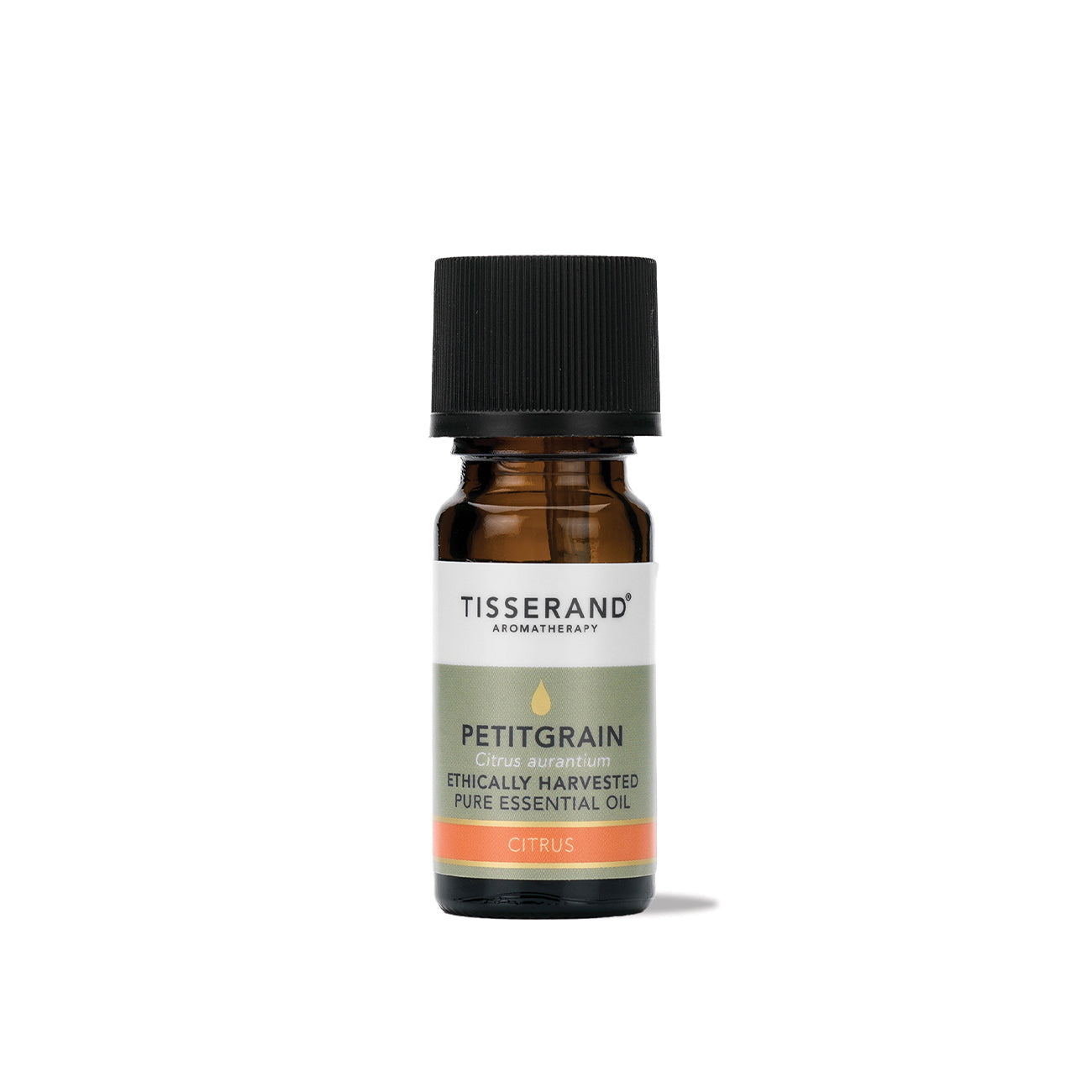
This Tisserand Petitgrain is not Moroccan but is currently half price!
Decleor which is one of my favourite brands due to its high quality products which are made from top botnaicals and essentia oils have a whole range devoted to Bitter Orange the Neroli Bigarade Collection.
The scent of this collection is exceptional and true to the natural sources.
Experience Moroccan Herbalism For Yourself..

An Immersive Herbal Tour Of Morocco - A Nomadic Herbalist & TimelessFez Collaboration
Next spring, Nomadic Herbalist in conjunction with Timeless Fez will be hosting a unique Herbal Immersion aimed at those seeking slow, meaningful travel experiences that take them far beyond the usual tourist routes to get a rare glimpse into Morocco's thriving herbal heritage.
'Root & Remedies' is a four- day guided exploration to discover the medicinal plants of the Middle Atlas Mountains. This is a rare insight into foraging practices which are seldom seen and an opportunity to learn about Morocco's native herbs. The tour traces this ancient process from root to remedies, from the collection of raw plant material through to the finished products sold in the souks such as medicines in Souk Attarine and cosmetics in the Henna Souk.
Take part in the transformative processes of distillation and soap-making during hands-on workshops and begin with a guided, meditative sensory introduction to some key herbs.
Herbal tourism is a growing niche in sustainable, nature-based transformative travel which keeps traditions alive, preserving herbal heritage and supporting rural economies to continue foraging herbs.
It is important to give value to the wild landscapes of Morocco and preserve what grows there, alongisde this it is equally important to preserve the knowledge and wisdom of the foragers and those who transform raw herbal material into useful products. These are the people who speak to the plants and translate to the people, the alchemists and weavers of magic.
Affiliate Links
This post may contain affiliate links, meaning I get a small commission if you decide to make a purchase through any links. This is at no extra cost to you.


Comments