A Journey Through Morocco In Ten Herbs- Number Three- Bitter Orange Tree


The Bitter Orange Tree (Citrus aurantium) contributes to the visual and sensual delights you will encounter on a trip to Morocco, they line the city streets and are planted in gardens and courtyards providing colour, fragrance and shade. These trees are native to Southeast Asia but are found widely in Mediterranean regions, Africa, USA and any areas where the climate is warm enough. They are particularly associated with Seville, Spain and are often called 'Seville Orange'. They produce several essential oils and flower water as well as a having a long history of use in traditional herbal medicines particularly in their origin areas of southeast Asia, Bitter Orange is a key herb in Traditional Chinese Medicine (TCM) .
What Is Bitter Orange Used For?
Culinary Uses Of Bitter Orange
Bitter Orange is commonly used as a flavouring in Morocco, and is added to both sweet and savoury food and beverages. Orange Blossom water is often used to flavour drinks and to sprinkle onto the hands of guests as a gesture of hospitality.
Bitter Orange will be combined with other ingredients as part of a marinade for meat dishes harnessing the sharp, acidity of bitter orange to cut through fats.
The fruit peel and segments can be found in salads and are well known for making bitter marmalade and similar condiments.
Puddings and pastries often feature Orange Blossom to add scent and flavour

Essential Oil Production
At least three essential oils are extracted from different parts of the Bitter Orange tree- Bitter Orange Essential Oil comes from either the cold-pressing or distillation of the fruit peel, Petitgrain is extracted from young leaves and branches, and Neroli is the result of steam-distillation of the delicate white blossoms. The oil from the flowers can also be extracted using solvent extraction producing an absolute extract called Orange Blossom Absolute. Read my blog post on Sweet Orange essential oils to learn about the separate oils and their uses.
Orange Flower Water

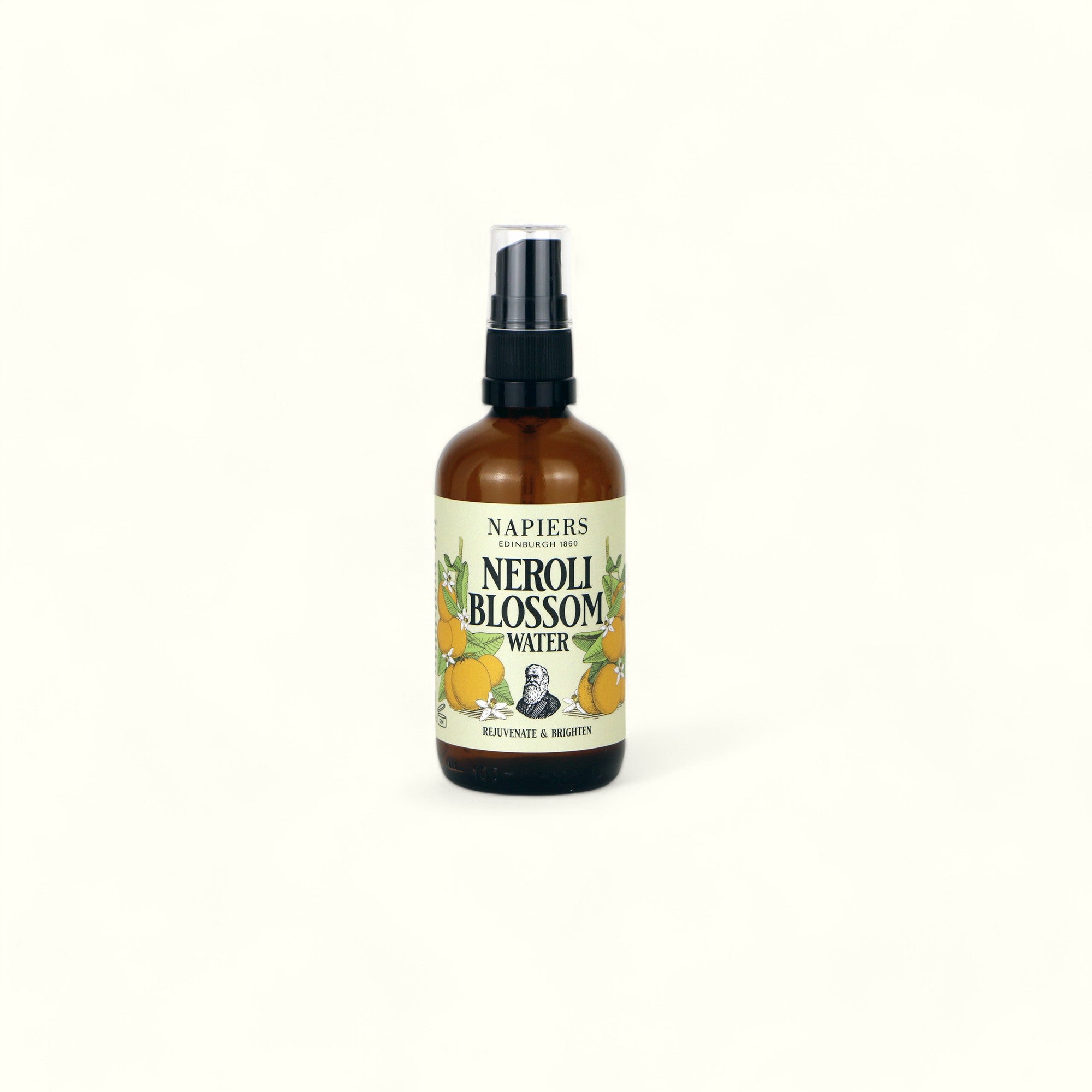
During the distillation process of orange flower blossoms, lovely fragrant water is produced which the Moroccans call Lma Zhar, this is used widely in Moroccan culture to flavour food and beverages as discussed above and for comestic purposes. Orange flower water is used for general skincare and in the hammam.
The harvest of these delicate blooms occurs in early spring when they are handpicked by local farmers and women cooperatives in several regions of Morocco. Woman are the main pickers of the blossoms, they are required to climb small ladders to reach them. They are distilled in traditional cooper vessels called alembic stills, this tradition has continued, spanning the generations and is an important component of ancient Moroccan herbal heritage.
The Orange Blossom harvest is cause for joyous celebration in Morocco, the delicate flowers are hand-picked at dawn to preserve the volatile oils from dissipating in the heat and sun, mountains of delicate flowers are picked within a three-week window during April.
The Zahria Festival of Marrakech
This is an ancient cultural event that honours the Orange Blossom harvest and celebrates the arrival of spring. It showcases the precious herbal heritage of Moroccan culture and hundreds of people gather together to traditionally distill accompanied by music and poetry, academics also gather to discuss gardening history, for more informatin on Zahria visit here.
I am hoping to visit Marrakech for the 2027 festival to witness the celebration of the harvest and the determination of the Moroccan people to continue their traditional distillation practices, including communal distillation of Orange Blossoms in the main square Jemaa el-Fnaa.
Bitter Orange In Herbal Medicine

Does Bitter Orange Help With Weight Loss?
Extracts of Bitter Orange are often found in supplements designed to promote weight loss and enhance sports peformance. The fruit contains a stimulant substance p-synephrine which is chemically similar to the now strictly controlled ephredine which comes from the plant Ephreda sinica..
In western herbal medicine, Bitter Orange Flower (Citrus aurantium flos) is often used in herbal mixes as a 'carrier' as the tincture adds an aromatic quality to the formulation that harmonises the mix and helps it to travel or circulate through the body. It is also thought to function as a transformative herb and 'emotional facilitator'.
Bitter Orange Flower has the following benefits and actions-
Bitter
Nervine
Antioxidant
Hepatic
Energetically cooling, bitter and aromatic
Indicated for anxiety, depression, weak digestion and hypertension
Bitter Orange Flower For Anxiety, Drepression and Stress
Orange Flower is considered to be thymoleptic which means mood-enhancing and it can increase vitality which is helpful in depressive conditions. It is a relaxant suitable for relieving anxiety and nervous tension. Orange Flower is used to bring clarity where there is stress and ease stress-related headaches and digestive disturbances.
Other Uses For Bitter Orange Flower In Western Herbal Medicine
Cardiovascular system - for treating hypertension, particularly where stress is a factor
Endocrine system- A powerful antioxidant that improves cellular health
Digestive system- for stagnation where there is gas and bloating, weak digestion, constipation and gall bladder inflammation
Dosage-
5g dried herb daily
3-6ml of 1:3 30% tincture 3 times daily
Bitter Orange In Traditional Chinese Medicine
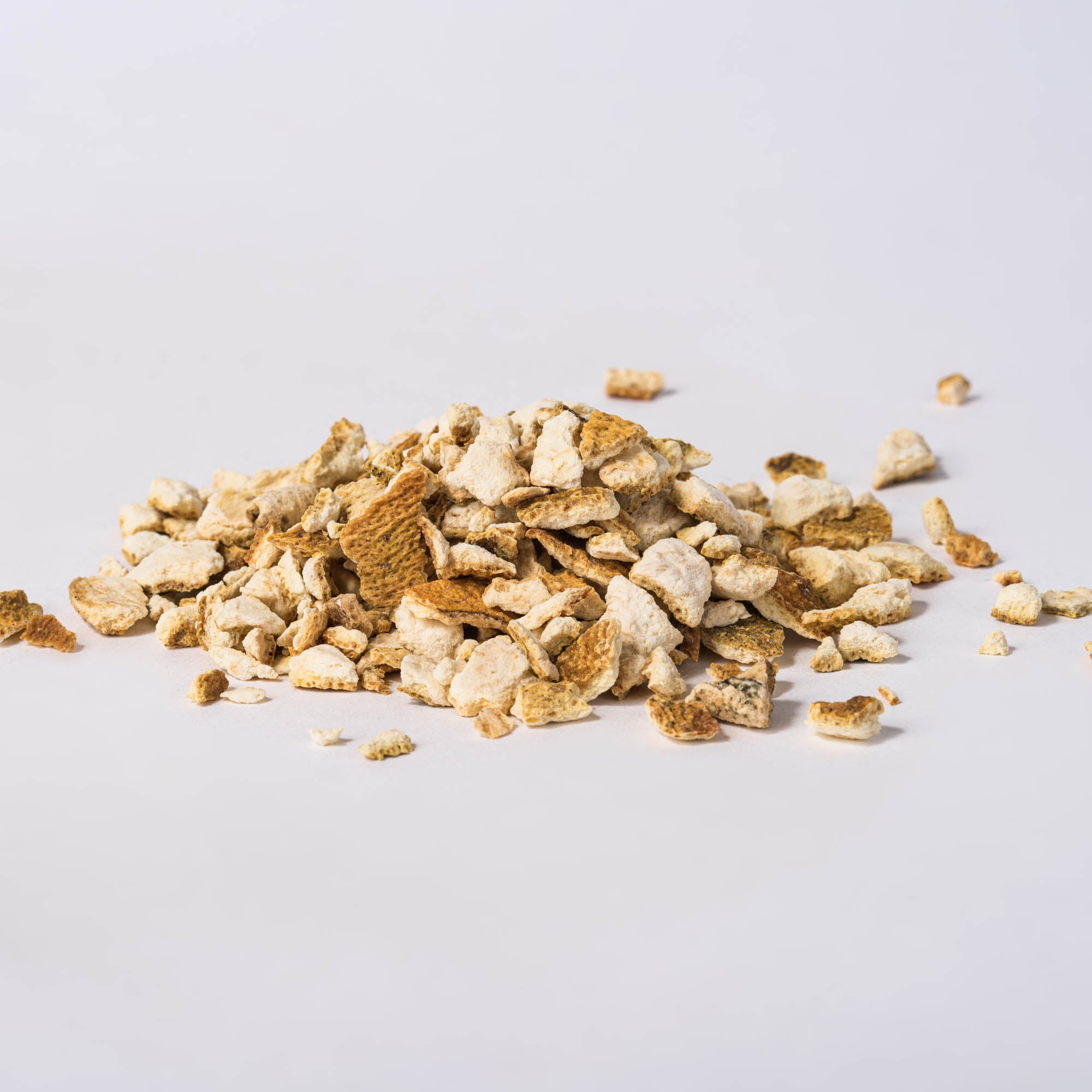
TCM includes Bitter Orange in its materia medica and the peel is mainly used in two forms- Chen pi is the peel of the mature fruit which is used for phlegm and other damp, stagnant conditions of ther spleen and lung. Zhi shi is the peel of immature fruit which is considered a tonic herb that helps with stagnant qi.

The dried flower buds of the Bitter Orange tree are used in TCM to make a tea to help regulate qi and treat stagnancy.

All traditional medical systems use Bitter Orange in similar ways to uplift and cause movement where tension is restrictive and leading to stagnation.
Cosmetic Uses Of Bitter Orange
The essential oils and flower water extracted from Bitter Orange are used extensively in skin, perfumery and hair care products, read my post on Bitter Orange essential oils here.
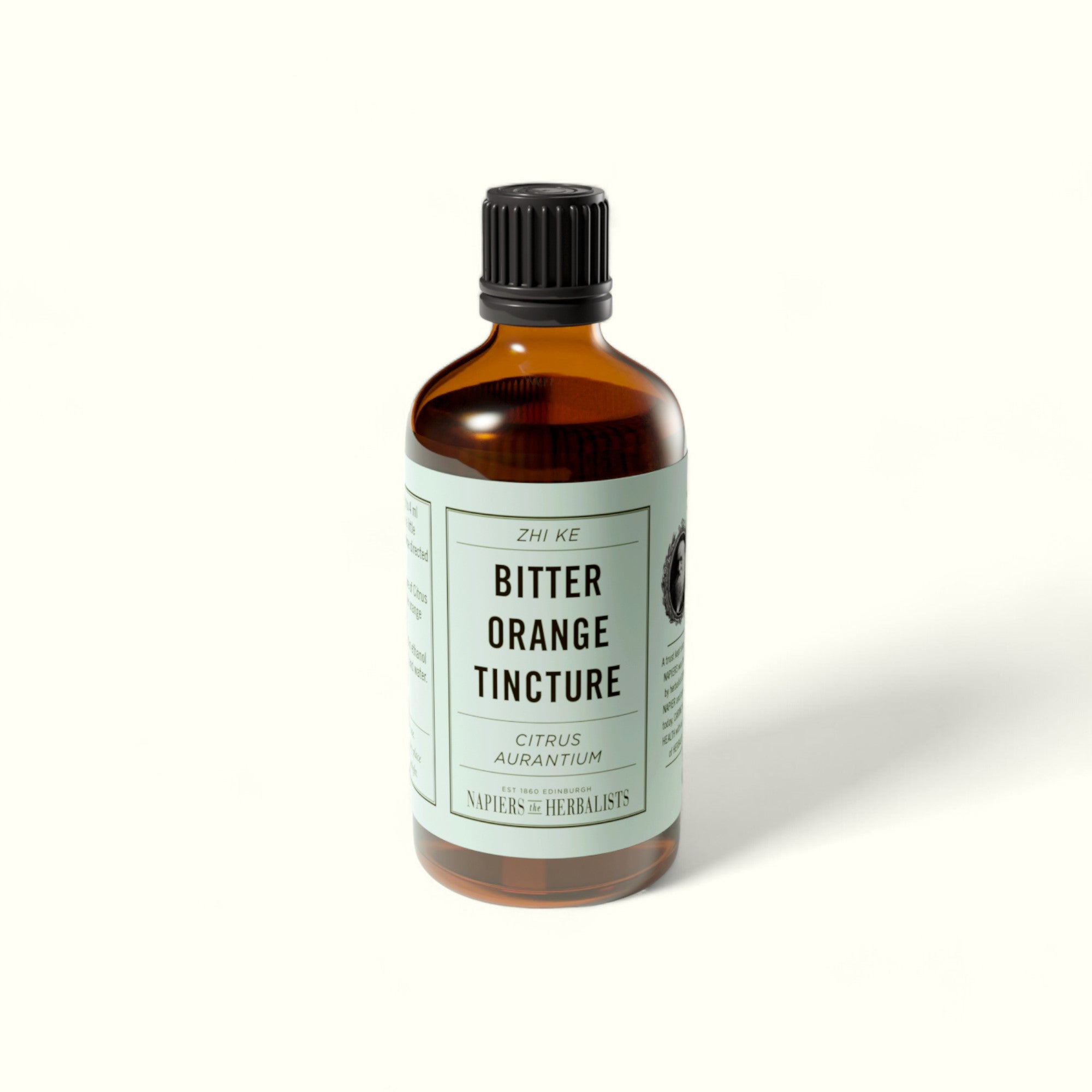
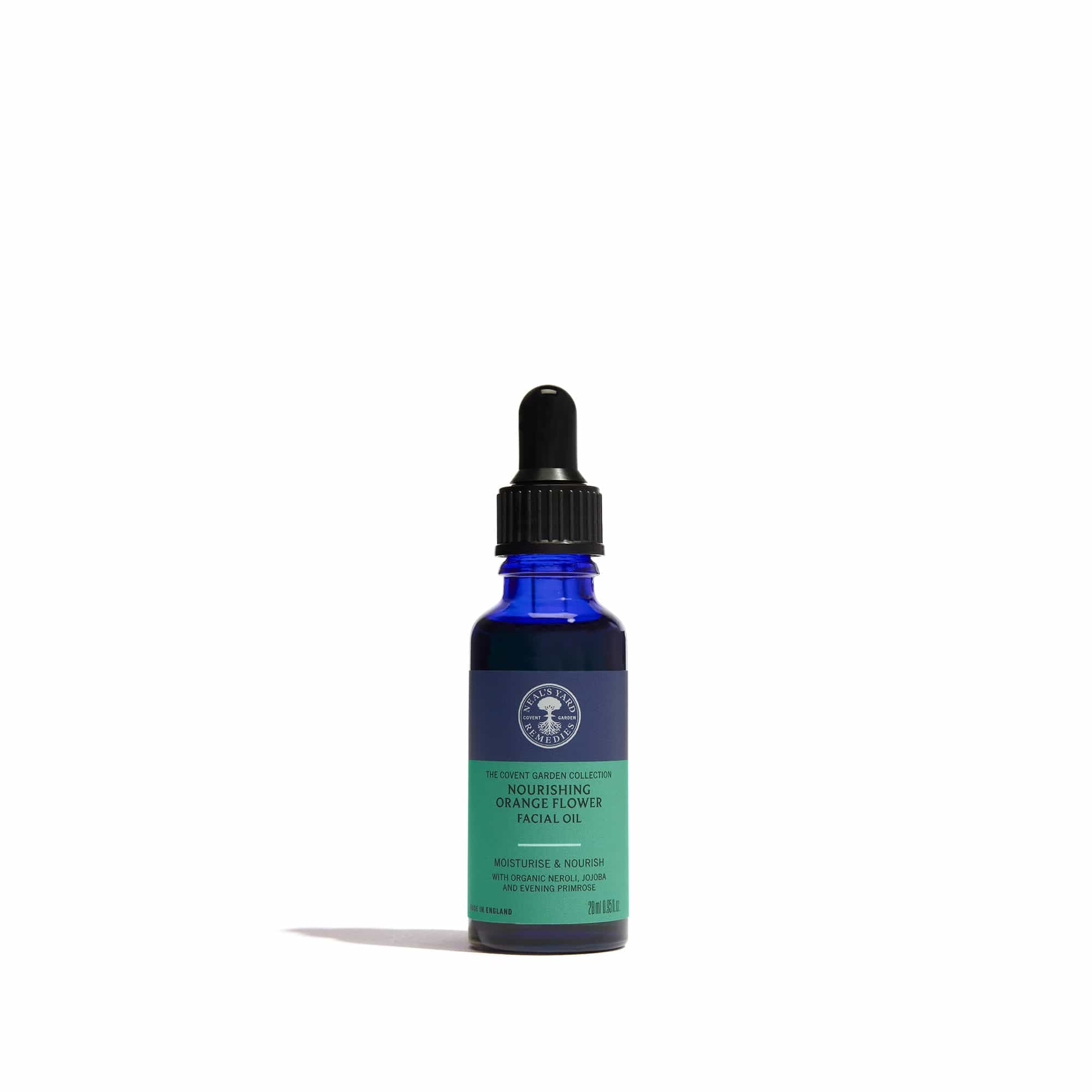
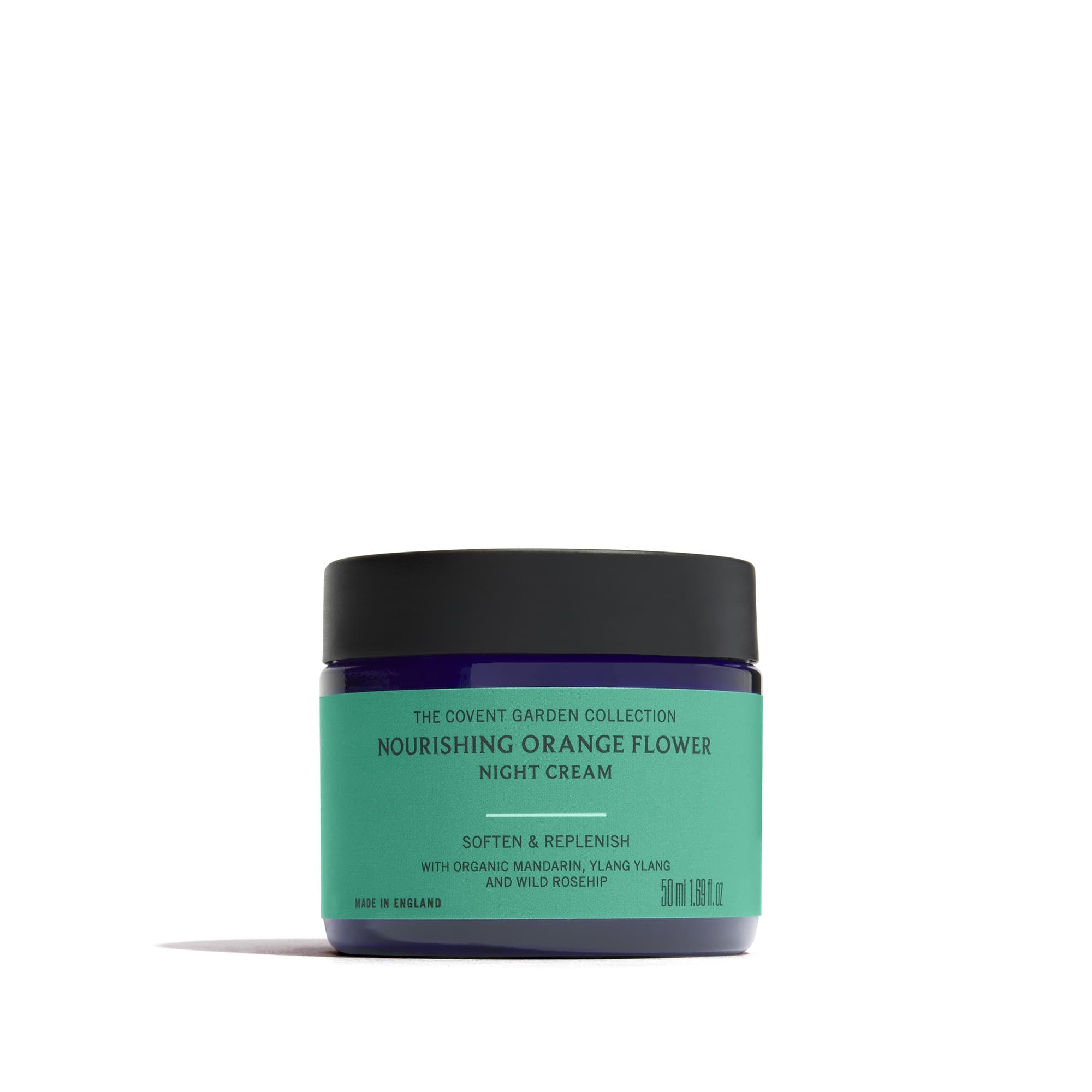
Recommended Products Containing Bitter Orange
I only select products that contain pure oils and extracts from brands I trust following my extensive experience as a herbalist and formulator. One of my passions is to research botanical ingredients including herbal extracts, herbal oils, glycerites, essential oils and other natural active ingredients. My recommendations only include products I would be happy to use myself as I am very fussy about natural ingredients and fragrances.
I am in the process of developing a new site dedicated to my interest in herbal cosmetics as I approach the end of my cosmetic formulation diploma cosmeticherbalist.com.
This will feature plant-based cosmetic ingredient profiles, recipes, foraged ingredients, global trends and product reviews.
Recommended Products
Experience Morocco's Herbal Heritage For Yourself..
An Immersive Herbal Tour Of Morocco - A Nomadic Herbalist & TimelessFez Collaboration
Next spring, Nomadic Herbalist in conjunction with Timeless Fez will be hosting a unique Herbal Immersion aimed at those seeking slow, meaningful travel experiences that take them far beyond the usual tourist routes to get a rare glimpse into Morocco's thriving herbal heritage.
'Root & Remedies' is a four- day guided exploration to discover the medicinal plants of the Middle Atlas Mountains. This is a rare insight into foraging practices which are seldom seen and an opportunity to learn about Morocco's native herbs. The tour traces this ancient process from root to remedies, from the collection of raw plant material through to the finished products sold in the souks such as medicines in Souk Attarine and cosmetics in the Henna Souk.
Take part in the transformative processes of distillation and soap-making during hands-on workshops and begin with a guided, meditative sensory introduction to some key herbs.
Herbal tourism is a growing niche in sustainable, nature-based transformative travel which keeps traditions alive, preserving herbal heritage and supporting rural economies to continue foraging herbs.
It is important to give value to the wild landscapes of Morocco and preserve what grows there, alongisde this it is equally important to preserve the knowledge and wisdom of the foragers and those who transform raw herbal material into useful products. These are the people who speak to the plants and translate to the people, the alchemists and weavers of magic.
Affiliate Links
This post may contain affiliate links, meaning I get a small commission if you decide to make a purchase through any links. This is at no extra cost to you.


Comments