Which Herbs Improve Gut Health?

Updated: Jan 19
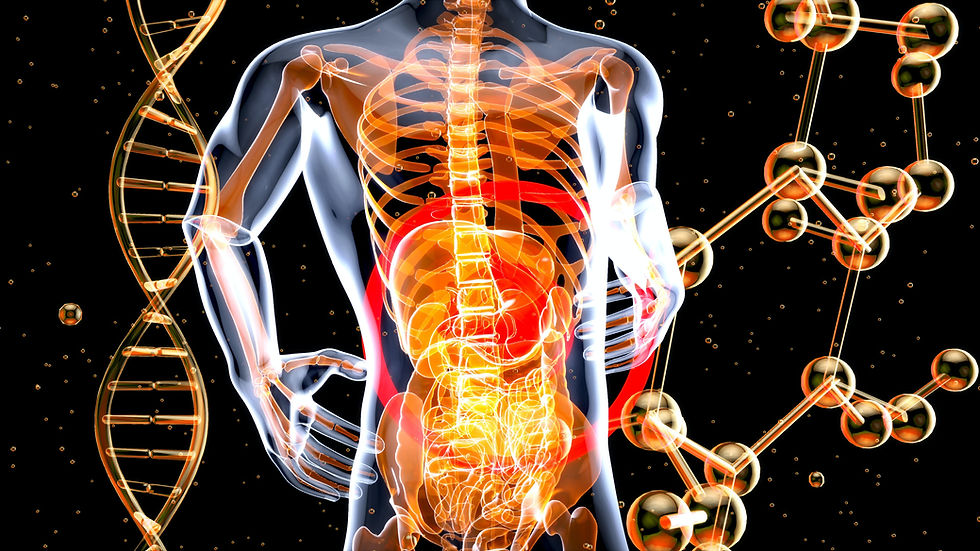
Gut health is big, big news, we are only just beginning to understand the fascinating complexity of the microbiome, what lives there and how this affects our health and wellbeing. Read on to learn more about the gut community and how you can help it thrive with medicinal plants.
Why Is Gut Health Important?
If you think about your microbiome as an in-house pharmaceutical plant processing 'drugs' that will keep you healthy in response to feedback signals or 'prescriptions' its recieves from your body, you will want to nourish and protect it, enabling it to perform at its optimum level.
Messages are communicated between the gut and brain via the vagus nerve, this is the brain-gut axis. If oestrogen is beginning to run low as in peri-menopause, the signal can be relayed to the gut that some needs to be re-activated rather than excreted as waste. Oestrogen re-activated in the gut can then be recirculated in the bloodstream relieving symptoms of relative oestrogen deficiency.
The microbiome is made up of trillions of bacteria that process the prebiotic fibre we consume and convert it into postbiotics. These by-products of the digestive processes are highly beneficial to our health and include SCFAs (short-chain fatty acids). Postbiotics have many roles to play in reducing inflammation and regulating our immune systems.
To keep the gut population healthy it is important to cultivate diversity of microbes and to keep check on pathogenic bacteria to prevent them crowding out the beneficial strains.
Dysbiosis occurs when there is an imbalance in the microbial community and is linked to chronic diseases including IBS, Metabolic syndrome and many other conditions.
How To Improve Gut Health
These are the main ways to easily improve gut health -
Diet- cut out processed food as much as possible
Eat plenty of fruit and vegetables, pulses, nuts and legumes
Switch from normal bread to sourdough
Add fermented food and drinks to your diet
Take probiotic supplements
Take gut-friendly prebiotic herbs
Get more exercise
Forage for wild foods
Quit smoking
Reduce alcohol intake
Eat More of These to Improve Gut Health
Wide variety of fruits, vegetables, nuts and seeds
Sour-dough bread
Keffir
Kimchi and other fermented foods/pickles
Kombucha
Miso
Tempeh
Cottage cheese
Blue cheese
Best Herbs For Gut Health
In my practice as a Medical Herbalist I have started giving out a gut mix at the start of the treatment plan to prepare the body for more targeted medicine. The mix will help the healthy bacteria thrive and outcompete any pathogenic species that reside in the gut, repair damage to the gut lining and generally 'pep' up digestive processes. This mix together with lifestye and diet recommendations, will set the body up well towards a state where healing can be optimised and the medicinal substances will be fully utilised.
Many medicinal plants are foodstuffs that we can add to our diet to reap the gut health rewards. Often consuming the whole plant is more beneficial as the phytochemicals are more bioavailble.
Food As Medicine
Onions, leeks and garlic
Ginger
Cinnamon
Chicory
Artichokes
Fennel bulb
Mushrooms
Herbal Gut Mix
Marigold (Calendula officinalis)

Marigold is an incredible medicinal plant and is an excellent choice for treating gut dysbiosis as it has anti-bacterial actions that will protect healthy bacteria from being crowded out by pathogenic species.
This lovely plant heals tissue and is anti-inflammatory too, these qualities make marigold a top herb for healing gut mucosa.
Bitter herbs like marigold have long been associated with improving digestion, stimulating a sluggish system, reducing bloating and promoting healthy bowel movements.
Liquorice (Glycyrhizza glabra)
Liquorice makes everything taste better! It is always nice to have in a herbal mix if you can (avoid if suffering with high blood pressure).
This herb is very nourishing and a good herb for those who have suffered long-term stress which will impact gut health.
Liquorice is a prebiotic herb and will encourage healthy bacteria in the gut. It has a soothing and healing action on the gut, glycyrrhizin is one of the active compounds found in liquorice which increases the production of mucus in the gut, forming a protective barrier against irritants.
Dandelion Root (Taraxacum officinalis radix)
This root is also a source of prebiotic fuel, it contains inulin which is a natural source of soluble dietary fibre. Dandelion root is a bitter herb and acts to support liver health and promote effective digestion.
Triphala
This Ayurvedic formulation combines three fruits (tri-phala) to create a digestive remedy that balances, detoxifies and rejuvenates. Triphala benefits the liver, blood, skin, hair, bones, immune system and, of course, gut health.
One 2018 study found that Triphala "drives the formation of unique microbial communities" and that this extremely well-studied supplement "exerts enteroprotective effects and promotes health of the gut epithelium and villi through improved barrier function and nutrient absorption".
Cinnamon (Cinnamomum zeylanicum)

Cinnamon contains cinnamaldehyde which is a highly aromatic and antimicrobial compound which helps to reduce 'bad' bacteria species in the gut. It contains some very powerful antioxidants and the bark contains signficant prebiotic fibre too. Cinnamon warms the digestion and encourages good blood flow throughout the system.
Ayurveda For Gut Health
Many of the herbs and spices that are highly beneficial to gut health belong to the Ayurvedic pharmacopoeia including Triphala, Turmeric, Ginger and Cinnamon. Optimising gut health is a central principle of Ayurvedic practice and consuming the correct types of food as your constitution or imbalances dictate is key to achieving balance.
Digestive processes in Ayurveda are driven by Agni (digestive fire), this needs to balanced to reduce toxins and keep the whole system nourished.
Whilst in Sri Lanka I was introduced to Asava and Arishta, these are fermented herbal decoctions that people would make themselves at home or they can be easily sourced at one of the many Ayurvedic clinics. These preparations are like self-creating tinctures as no alcohol is added to extract the phytochemicals, the fermentation arises naturally from the addition of jaggery or honey and natural starters. These remedies are rich in prebiotics and probiotics making them effectively synbiotics (a combination of prebiotic and probiotic).
I am currently experimenting with my own herbal fermentations, subscribe for updates.
Foraging For Gut Health or Gut Rewilding
Many researchers looking at diets that lead to increased microbial diversity in the gut, have studied the diets of tribespeople living a traditonal lifestyle. Their microbiomes have been examined by analysing faecal samples and have been found to contain a more diverse range of microbes, including some 'ancient gut microbes' now absent from the samples of those consuming modern, western diets.
These hunter-gatherers consume many more wild, seasonal foods which explains their superior gut health and reduced incidence of many chronic diseases.
One takeaway from this crucial research is that wild food is highly beneficial to our health. Modern diets, high in processed food are profoundly changing our microbiomes as they adapt to process high levels of sugar and fat.
If you are interested in learning much more about foraging wild food look out for my next post Rewilding Your Gut. Subscribe below for monthly foraging guides -
Gut Health Mix

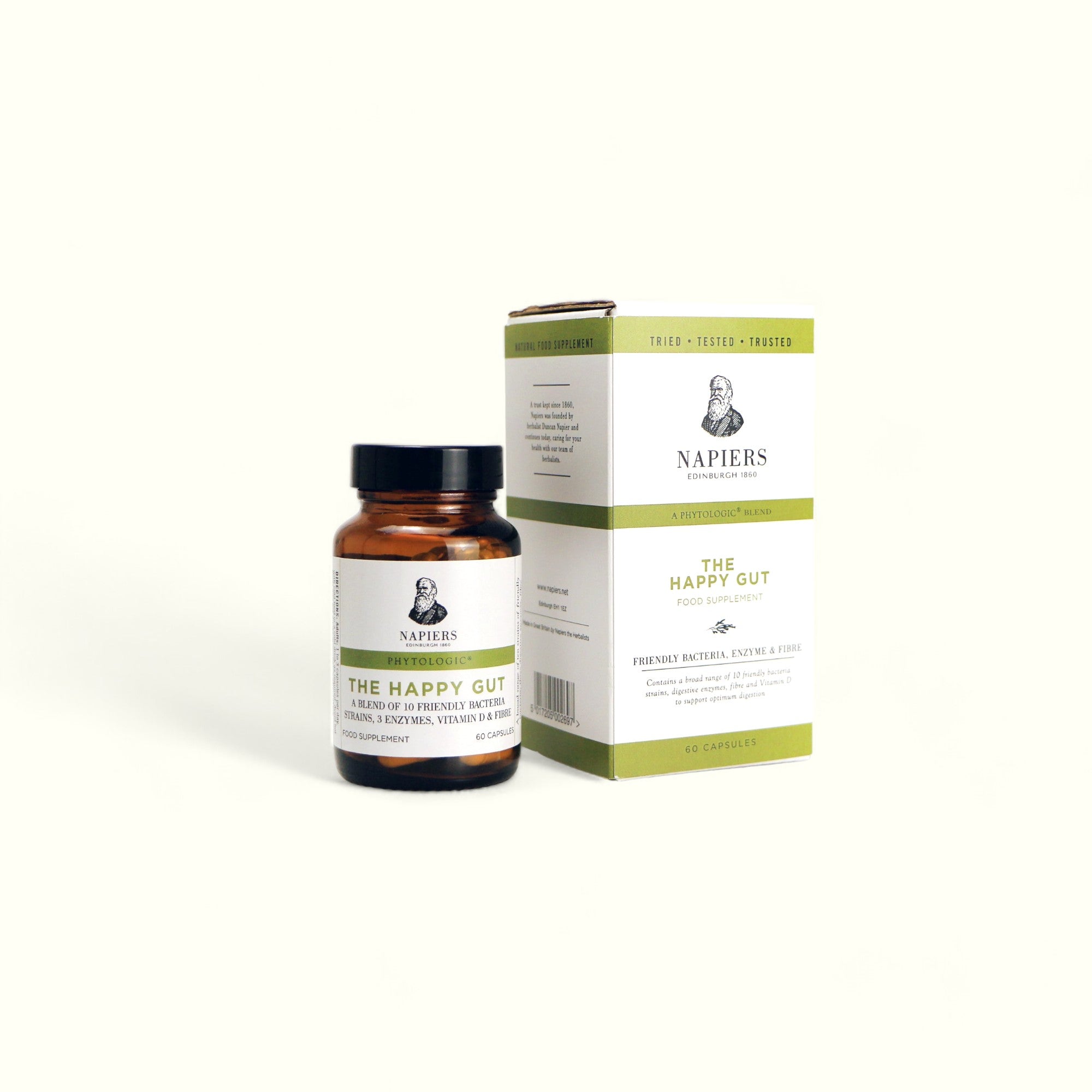
Fushi Triphala Capsules
Affiliate Links
This post may contain affiliate links, meaning I get a small commission if you decide to make a purchase through any links. This is at no extra cost to you.


Comments