Rewilding Your Gut- The Health Benefits of Foraging Wild Food and Hunter-Gatherer Diets


Ultra-processed food, rising cancer rates in the young, allergies surging and inflammation out of control- what is going on? Many scientists and academics may well have found the answer, it comes from the gut, call it gut instinct or rather a lack off..
Our understanding of gut health is growing rapidly, and has done at a pace since studies on twins first revealed significant differences in gut microbiota despite genetic closeness. Advances have been made that increasingly cast shade over our post-industrial, modern diets.
One of the drivers of this realisation that we have a problem with processed food impacting our health, are studies conducted on those few remaining who follow truly wild diets and are in much better health.
Humans have historically relied on wild foods, these are now understood to uniquely shape the composition of the gut microbiome. A class of microbes known now as 'old friend taxa' are now absent from the modern gut which has changed, making adaptations to process our modern food intake.
Dietary Differences- Wild food versus Modern Diet
Meat consumed would be wild game
Plants were higher in fibre
Fewer, simpler sugars
More variability in food due to habitat and seasonality
This month marks the launch of my Nomadic Forager's Subscription which will provide a monthly guide to seasonal foraging, including exclusive content with recipes and information on plants, videos that will help you safely identify the plants included, newsletters to keep you ahead and discounts on products and books.
The Hunter-gatherer Microbiome

Above is a picture of the Hazda tribe of Tanzania, these are one of the last, true hunter-gatherer communities remaining in the world today. These are a nomadic tribe and their diet relies on seasonal availability and is far removed from the average Western diet.
Key Features of Hazda Diet
High in fibre- prebiotic fibre from Baobab fruit (Tree of Life)
Wild berries
Tubers - high in prebiotic fibre
Wild Game
Honey
No processed or cultivated foods
No antibiotics
Health of the Hazda
The overall findings on the gut microbiomes of the Hazda tribe revealed that they have much higher levels of microbial richness and diversity of species. Overall the Hazda enjoy excellent health and have low rates of diabetes, obesity and cardiovascular disease. They are often hungry but never starving suggesting healthy blood sugar regulation. Due to their nomadic hunting lifestyle, they get plenty of exercise and their meat consumption is not very high.
Foraging Wild Food
What Can I Forage to Rewild my Gut?
Clearly most of us are not truly nomadic, nor are we hunter-gatherers waiting for our next mission into the wild, but we can try and make use of this information and go just a little more wild and start to re-wild our gut.
Foraging is seasonal, what will be available will depend very much on the season and often with good reason. During Autumn the many fruits and berries available contain many compounds that will boost our immune health as we approach winter, in the spring we find plants that are detoxifying to our systems after a long winter spending time indoors.
Be wary of where you go when foraging, make sure you have permission and are safe. Be aware of any pollution or contamination. Be super careful with fungi (expert help required), always be 100% with identification. Be respectful and never take too much.
Green Leaves
Fresh green leaves can be found all year round but are often at their best in spring, the shoots of nettles in spring contain at least 147 health-promoting compounds (Ahlberg, 2021).
Roots and Tubers
These are excellent sources of prebiotic fibre and include dandelion and burdock.
Flowers
Many flowers are edible with delicate flavours and often contain high amounts of dietary fibre with marigold petals containing the most. Hops appear late in the summer and have distinct gut health benefits, see my post Hops. Not all flowers are edible, it is important to have a reliable foraging guide for safe identification
Berries and Fruit
Our hedgerows are adorned with wild fruit and berries from late summer, all of the edible fruits are packed with health benefits. Elderberries, Sloes, Damsons and Blackberries are just a few available in abundance.
Wild Herbs
Wild Herbs are a real treat, not only can you add them to your cooking to gain the health benefits, but you can make wildcrafted medicines and cosmetics which will be extra potent. Sweet Violets will soon be appearing and these have all the benefits of highly effective medicinal plant with cosmetic credentials too.

Nuts
Here in the UK we have many nuts we can forage including Hazelnuts, Sweet Chestnuts , Beechnuts, Walnuts and Pinenuts. nuts, all are high in prebiotic fibre and highly nutritious.
Fungi
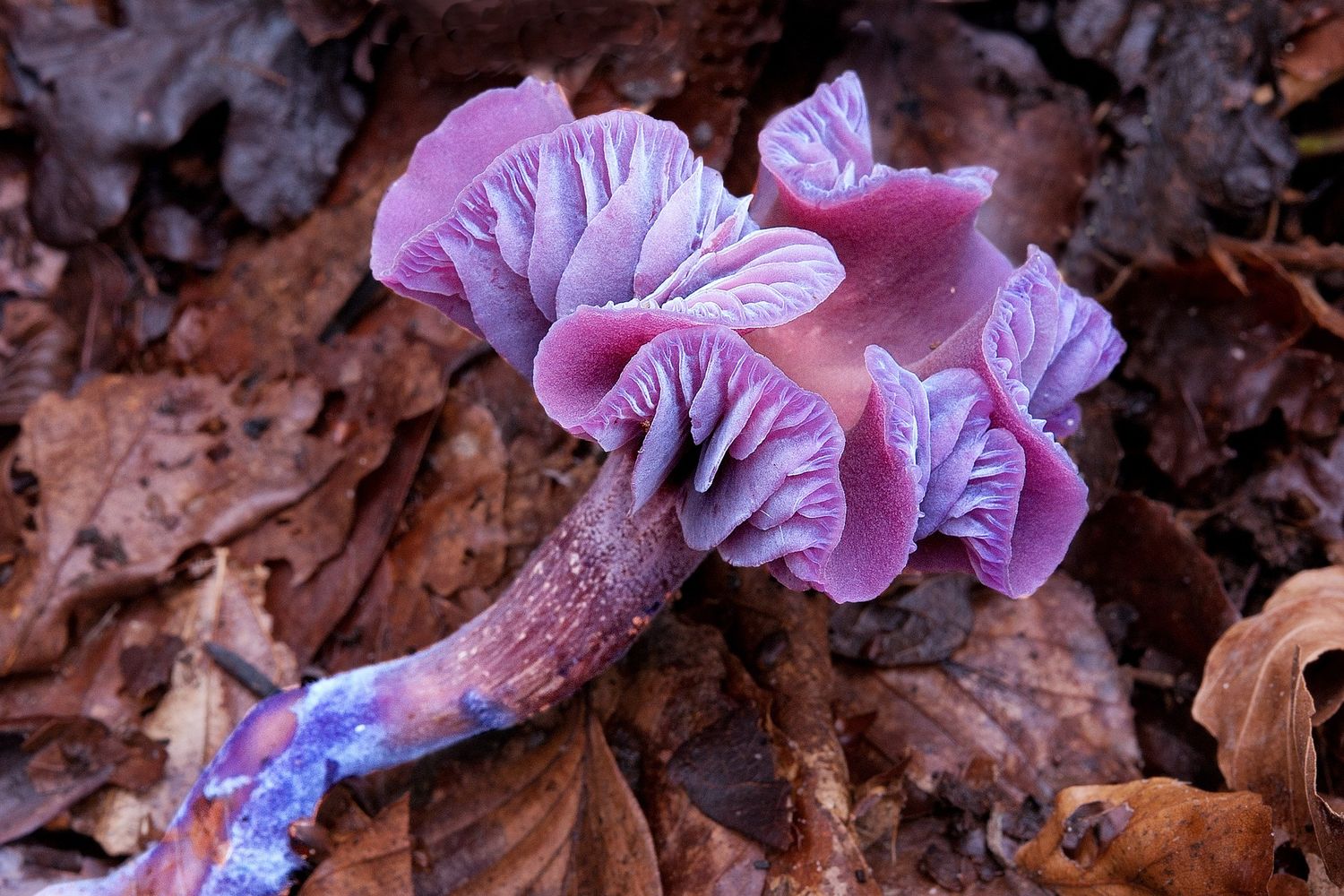
I know a little about fungi, but nowhere near enough. Foraging fungi requires 100% correct identification skills to avoid deadly consequences, so always consult an expert. Consuming edible wild mushrooms is excellent for gut health, eating the toxic ones, not so.
Health Benefits of Wild Food
Wild foods often have higher nutrient values and the Mediterranean diet is now recognised as 'Intangible Cultural Heritage of Humanity'. This diet is cited as particuarly healthy and this is in part due to a richness in wild edible plants.
Wild Food Sovereignty
Wild food is an important part of food sovereignty particularly where communities are heavily reliant on wild plants for nutrition. One billion people in developing nations rely on wild food as a contribution to nutrition. It can also be viewed as emergency food when agricultural practices fail.
The Importance of Bitter Tastes
Modern, processed foods are flavoured in ways to make them instantly appealing to our tastes, or have they in fact altered our tastes? Our cravings are often for high-energy foods, often those high in sugar and fat. Unstability of blood sugar levels can fuel cravings, as can stress and dehydration. Cravings can become a viscious cycle of highs and lows with sugar and salt both highly addictive tastes.
Wild food can have very different flavours, subtle, complex and often bitter. Bitter compounds are molecularly structured to interact with bitter receptors within human taste buds and initiate digestive processes.
Bitter tastes are associated with the following benefits-
Lowering blood sugar levels, improving insulin sensitivity and maintaining balance
Lowering cholesterol
Anti-hypertensive
Anti-inflammatory, inhibiting inflammatory factors
Reduce oxidative stress
Antibacterial
Neuro-protective
Most Bitter compounds are alkaloids including caffeine, berberine , morphine. Bitters are found in the polyphenol group and include anthocyanins and quercetin. Terpenoids have a strong bitter taste and aroma, an example being citron. Some amino acids bind to bitter receptors including tyrosine and arginine
Join me, and the many others on a quest to re-wild our guts and reap the health benefits of a well-tuned system that works just the way it was designed to. Reverse the impact of a modern lifestyle, processed food, low exercise levels and indoors living by getting oudoors in the fresh air and roaming free. Get in touch with your inner nomad and get out there and go wild!
Nomadic Forager's Subscription
This month I have launched a subscription plan that will include monthly forage guides, recipes for wild food, wildcrafted medicines and cosmetics. There will be accompanying videos to help assist with identifying wild plants and using them.
Subscribe now to receive you monthly forage pack, things are just about to get very interesting as spring is just around the corner. One-off payment buys 12 months of foraging support.


Comments