Ayurvedic Tourism- Where To Find Authentic Ayurveda- Part Two- Sri Lanka


Hela Diva is the ancient, indigenous name for pre-colonial Ceylon, now known as Sri Lanka, this beautiful island was inhabited by several tribes or Hela over 5,000 years ago.
Several name changes may hint at this island's turbulent history, but the traditional medicine system of Helawedakama which translates to 'Sinhala medicine', has endured the upheaval and remains relevant to this day having now blended with Ayurveda and colonial-brought allopathic practices. This cultural interchange results in a unique herbal heritage and makes Sri Lanka a most alluring Ayurvedic Tourism destination.
Sri Lankan Ayurveda may differ from Indian practice and this is owing to the deep roots of Helawedakama throughout this island. There remains a deep connection between the native peoples of this island and her distinct herbal heritage.
"If you cannot be a king, become a healer"
Traditional Medicine Of Sri Lanka
Sri Lankan culture values healing immensely and has an impressive cultural heritage of consistently exemplary high healthcare standards, particularly for a still-developing nation. Remains of ancient hospitals from the 4th Century BC in Anuradhapura reveal Sri Lanka's valuable herbal heritage in the shape of unique stone treatment tubs for herbal therapies.
The indigenous medicine of Sri Lanka is Hela Wedakama and is over 3,000 years old, this ancient healthcare system utilised over 2,000 medicinal herbs and had some unique diagnostic techniques including analysing hand shapes and lines, pulse diagnsosis and the use of ritual. Hela Wedakama is deeply rooted in local culture and passed down through the generations. This system predates the arrival of Ayurveda and even Buddhism.
The King physician King Buddhadasa (398 AD) wrote a medical treatise still referred to today, called Saratha Sangrahay.
These ancient, indigenous practices endure and are rightly protected as cultural heritage, today Sri Lankan healthcare is a blended system of Hela Wedakama, Ayurvedic medicine, Siddha, Unani and the colonial-established allopathic medicine.
The first colonial medical school was established in Colombo in 1870, the Board of Indigenous Medicine soon followed and was formed in the 1920's to protect this valuable cultural asset.
Is Ayurveda Practice In Sri Lanka Different From Indian Ayurveda?
Sri Lankan Ayurveda is distinct from Indian Ayurveda and is often known as Lanka Ayurveda. The main differences lie in the way it blends with indigenous Helawedakama and local practices or Desheeya Chikitsa.and uses locally-sourced herbs.
Sri Lanka is a lush tropical paradise allowing herbal medicines to be sourced from a uniquely rich diversity of species. This extensive plant pharmacy sets Lanka Ayurveda apart from other traditional medical systems.
What To Expect From Ayurvedic Tourism In Sri Lanka
Herbal medicine is deeply entrenched in the psyche of the Sri Lankan people, this ethnobotanical relationship is enduringly strong and testament to their Helawedakama roots and harmonious bond with the landscape.
Desheeya Chikitsa uses herbal preparations taken from local medicinal plant species, these include decoctions, oils and pastes.
Ritualistic, spiritual practices are important to invoke healing powers and gain insights into underlying causes of imbalance and disease. These could involve chants, talismans and astrological guidance.

Daily health-promoting rituals are common in Sri Lanka, during my last stay I was impressed by the everyday use of herbs. These herbs were sourced from the garden where there were an impressive array of medicinal plant species available including Gotu Kola, Shatavari and Moringa. These were used daily to prepare fresh formulations.
I noticed a beautiful old fermenting pot outside the house I stayed at, suggesting a high degree of competence in herbal formulation and also self-reliance. The local Ayurvedic doctor was clearly reverred and frequently called upon, but there was a baseline of everyday knowledge about medicinal plant preparation techniques.
Each day started with the daily Kola Kanda ritual, Kola Kanda is a unique Sri Lankan 'herbal porridge' prepared from fresh herbs, rice and coconut. Ours came straight from the garden herbs.

If you have experienced Ayurveda in India, there will much about Lanka Ayurveda you will recognise but also some unique elements and herbs to discover.
Indian Ayurveda has been exported and adopted in many other countries with the market for Ayurvedic products and services still growing.
In many other countries you will find Ayurvedic clinics and retreats offering Indian Ayurveda, but I think you would have to visit Sri Lanka to experience unique Lanka Ayurveda in its origin country.
Where To Go For Ayurveda In Sri Lanka
Barberyn Ayurvedic Resorts
This luxury group of four individual resorts offer authentic Ayurveda and are pioneers of Ayurvedic Tourism in Sri Lanka, they claim to be the first to open their doors to wellness-seeking travellers in the 1980s.
They have four locations including their original resort at Weligama Beach.
Heritage Retreats, Beruwala

This beachfront retreat on Sri Lanka's Southwestern coast offers authentic ayurveda including personalised treatment programmes from experienced doctors and therapists. The reviews are mainly 5* for this retreat.
Surya Lanka Retreat, Talalla Bay
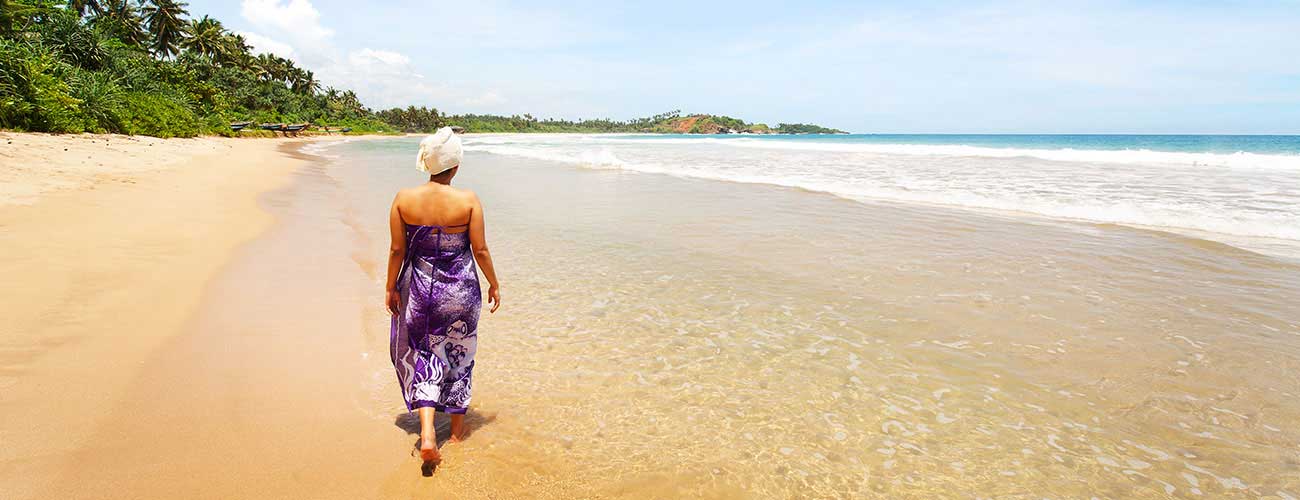
This is a long-established retreat offering authentic Ayurveda. They have three programmes on offer ranging in therapeutic depth from light to healing.Talalla Bay is located not too far from the Southern-most tip of Sri Lanka, Dondra Head.
Prince Lanka Ayurveda, Bentota
Bentota is a popular beach resort 80 km south of Colombo where many 'package' tourists head for its superb beach and reputation as a watersports hub.
This establishment has 29 years under its belt and is highly rated, you can pop in and book individual treatments (using their free Tuk-Tuk service 5 KM of Bentota) such as a head massage, a delightful 'Flower Bath' or even a leg wax. Also on offer are more in-depth packages with the resident doctor.
Other Herbal Tourism Attractions
My Herbal Travel Directory keeps expanding and I am currently adding to the Sri Lanka section, if you have a herbal attraction to add including gardens, retreats or farms please get in touch victoriaemward@gmail.com
Ceylon Blue Lotus Farm, Kalutara

This wonderful grower and producer exemplifies 'Herbal Tourism' practices at their best, as they state on their website-
At Ceylon Blue Lotus Farm, our passion for preserving nature and promoting sustainable practices led us to embark on a remarkable journey.
Herbal Tourism is ecotourism, sustainable tourism nature tourism, culture tourism and wellness tourism all rolled into one. It protects and celebrates nature, bringing income to the guardians of our green spaces and honours the Herbal Heritage of their ancestors and unique cultures.

These beautiful Lotus flowers are available to buy online direct from the growers and have many medicinal and cosmetic uses read Blue Lotus Post for more information
Royal Botanic Gardens, Peradeniya
This long established garden (1821) is near to Kandy, along the Colombo Road and boasts over 4,000 speices of plants. Conservation is at the heart of the project which aims to conserve plants and educate people about their ethnobotanical value.
Spa Ceylon
Whilst in Sri Lanka on a long stay and running low on skincare, I discovered Spa Ceylon, a premium Sri Lankan brand selling luxurious Ayurvedic products. The ingredients are impressive and include top retinoid alternative -Bakuchiol and luxury florals such as Saffron, Neroli and Jasmine.
Affiliate Links
This post may contain affiliate links, meaning I get a small commission if you decide to make a purchase through any links. This is at no extra cost to you.


Comments